
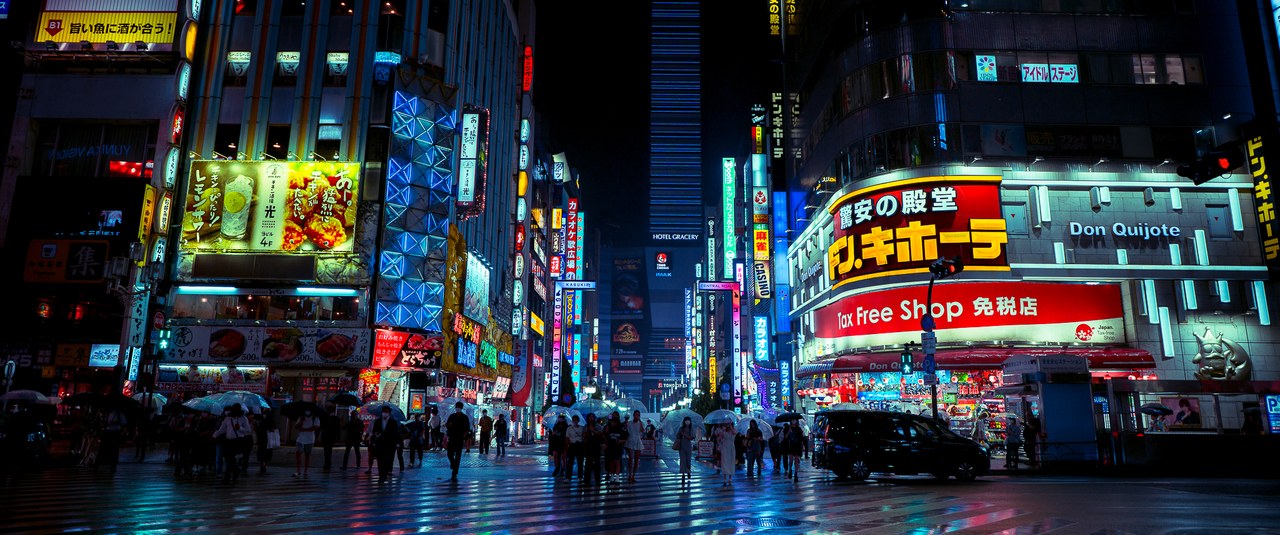
I've been based in Tokyo for four years. In that time I've watched a lot of first-time visitors do Tokyo wrong — not catastrophically, but in ways that meant they spent a week here without seeing the version of the city that makes people want to move here. This guide is an attempt to fix that. It covers the practical information you need, the decisions worth making in advance, and the things that guidebooks tend to get wrong or leave out entirely.
When to Visit Tokyo
Tokyo is a year-round destination, but some seasons are significantly better than others. Spring (late March to early May) is the obvious peak — cherry blossom season runs roughly from the last week of March through mid-April depending on the year, and the city is genuinely transformed. The crowds at the famous spots are real, but manageable if you go early or late in the day. The weather is mild and the light is good.
Autumn (mid-October through November) is the other strong season. The humidity that makes summer punishing has cleared, the temperatures are comfortable for walking, and the foliage in the city's parks turns well. It's quieter than spring and, for photographers, often better.
Summer (June to September) is hot and humid in a way that's uncomfortable for extended outdoor activity. June brings the rainy season — overcast skies and frequent rain. That said, the city is less crowded with tourists in summer, prices are lower, and Tokyo at 35°C still functions perfectly. The rain is actually good for photography.
Winter (December to February) is cold but dry, with clear skies that make for excellent visibility and good photography conditions. Tokyo occasionally gets snow, which changes the city entirely. It's also significantly cheaper than spring or autumn.
How Many Days Do You Need
The honest answer is that a week is the minimum to see Tokyo properly, and two weeks doesn't feel excessive. The city is enormous — 23 wards, each with distinct character — and there's no central attraction that you tick off and consider done. What makes Tokyo worth extended time is accumulation: the izakaya you find by accident, the neighbourhood that wasn't on your list, the hour after midnight when the city shows you something it doesn't show tourists.
If you only have four or five days, focus on two or three neighbourhoods and go deep rather than wide. Trying to cover Asakusa, Shibuya, Shinjuku, Akihabara, Harajuku, Roppongi, and Odaiba in five days means spending most of your time on trains between places you've seen for forty minutes each.
Getting There and Arriving
Tokyo is served by two international airports: Narita (NRT), about 60km east of the city, and Haneda (HND), much closer in to the south. Haneda is significantly more convenient. If you have a choice, book into Haneda — the trip to central Tokyo takes 30–40 minutes versus 60–90 from Narita.
From Narita, the Narita Express (N'EX) is the easiest option — direct to Shinjuku, Shibuya, and Tokyo station, about ¥3,070 one-way, around 90 minutes. The Keisei Skyliner is faster and cheaper if you're heading to the east side of the city (Ueno area). From Haneda, the Keikyu or Tokyo Monorail lines connect directly to the subway network and cost under ¥700.
At the airport, before you do anything else: get a Suica or Pasmo IC card from any ticket machine. It works on every train and subway line in Tokyo (and most of the rest of Japan), and it works at convenience stores, vending machines, and many restaurants. Load ¥3,000–5,000 on it to start. This single step will make the next week significantly easier.
Getting Around Tokyo
Tokyo's train network is the most comprehensive urban rail system in the world. Almost anywhere you want to go is within walking distance of a station, and fares are low — most journeys within the city cost ¥200–¥400. The network looks intimidating on a map but becomes intuitive quickly: identify which line serves your destination, find a station on that line, get on.
Google Maps works reliably for navigation — put in your destination, select transit, and it will give you the fastest route with exact platform numbers, transfer instructions, and arrival times that are accurate to the minute. Japan Rail runs on schedule.
Trains stop running between midnight and 12:30am depending on the line. After that, your options are taxis (metered, safe, expensive — ¥2,000–¥5,000 across the city) or staying out until the first trains around 5am. Plan your nights accordingly.
A full breakdown of the train system, IC cards, and how to navigate the subway is in the Getting Around Tokyo guide.
Where to Stay
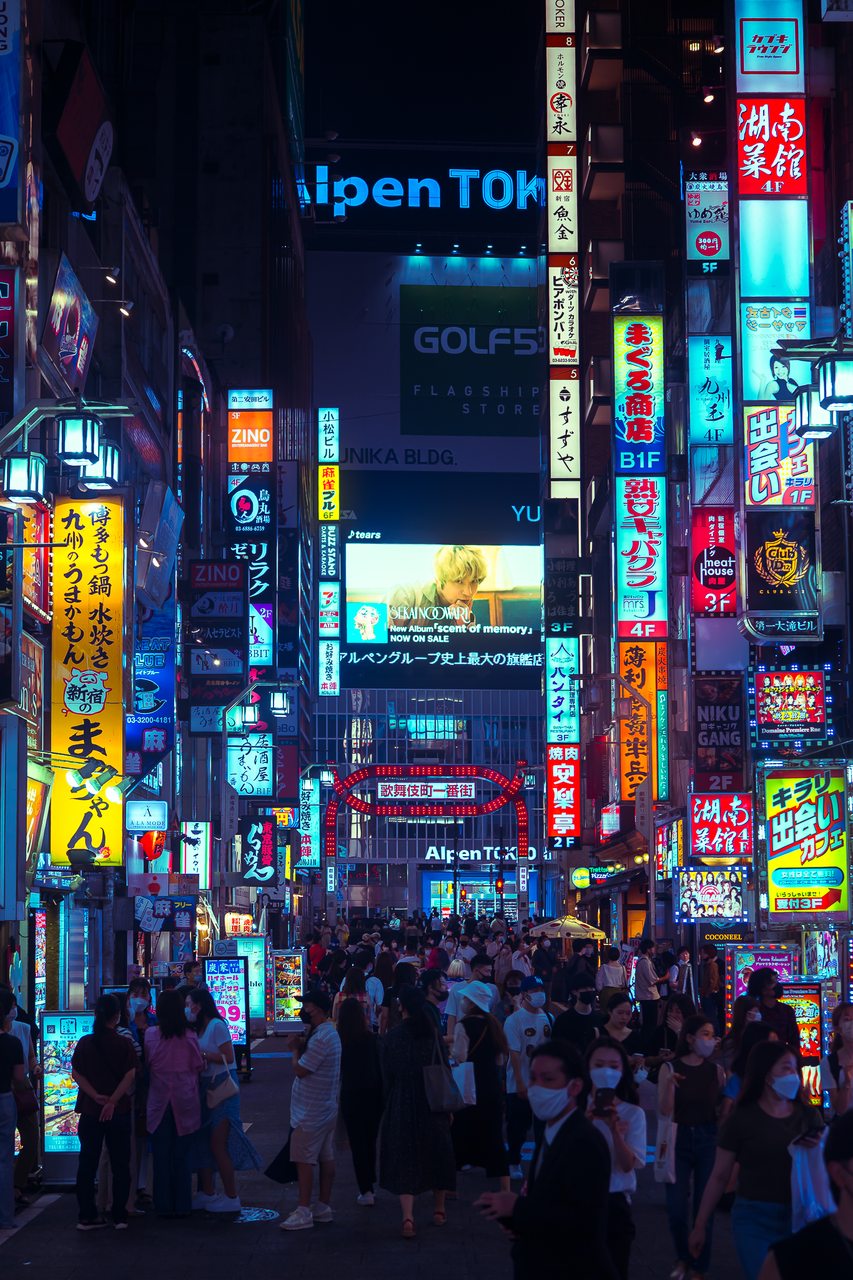
Tokyo is vast, and where you stay determines which version of the city you experience on foot. The most practical base for first-timers is anywhere within 15 minutes of Shinjuku or Shibuya — both are major transit hubs with direct connections to everywhere you'll want to go, and both have everything you'd need within walking distance.
Shinjuku is the most connected station in the world by some metrics. It's noisy, dense, and never quiet, but the access is unmatched and the food and nightlife options are immediately outside the door. Good for people who want to be in the middle of everything.
Shibuya is slightly calmer than Shinjuku but similarly connected, with direct access to Harajuku, Daikanyama, and the Yamanote Line loop. Better base if you're spending time in the south and west of the city.
Asakusa (northeast) has the most traditional atmosphere in central Tokyo — the old temple district, low-rise streets, and a quieter pace. Further from the main transit hubs but well-connected via subway. Good if you want to experience a different side of the city.
Budget options: capsule hotels start around ¥3,000–¥5,000 per night and are clean, functional, and a Tokyo experience in themselves. Business hotels (Toyoko Inn, APA, Dormy Inn) run ¥8,000–¥15,000 and are reliably good. Mid-range international hotels are well-represented throughout the city.
Money: Cash, Cards, and What Things Cost
Japan runs on cash more than most comparable economies. A significant number of restaurants, bars, and small shops are cash-only — particularly izakayas, ramen shops, and any small independent business. Golden Gai bars are almost universally cash only. Budget for this.
ATMs at every 7-Eleven, FamilyMart, and Lawson accept foreign cards 24 hours and charge reasonable fees (¥110–¥220 per withdrawal). Withdraw ¥10,000–¥20,000 at a time and carry it. You will use it.
In terms of cost: Tokyo is not the expensive city its reputation suggests. A bowl of ramen costs ¥800–¥1,200. A convenience store meal is ¥500–¥700. A train journey is ¥200–¥400. A beer at a standing bar is ¥500. The places that are expensive (high-end restaurants, tourist-area cafés, hotel bars) are easy to avoid. A first-timer spending ¥5,000–¥8,000 per day on food, drink, and transport is being comfortable without being extravagant. A detailed breakdown of daily costs is in Tokyo on a Budget.
Food: What to Eat and Where to Find It
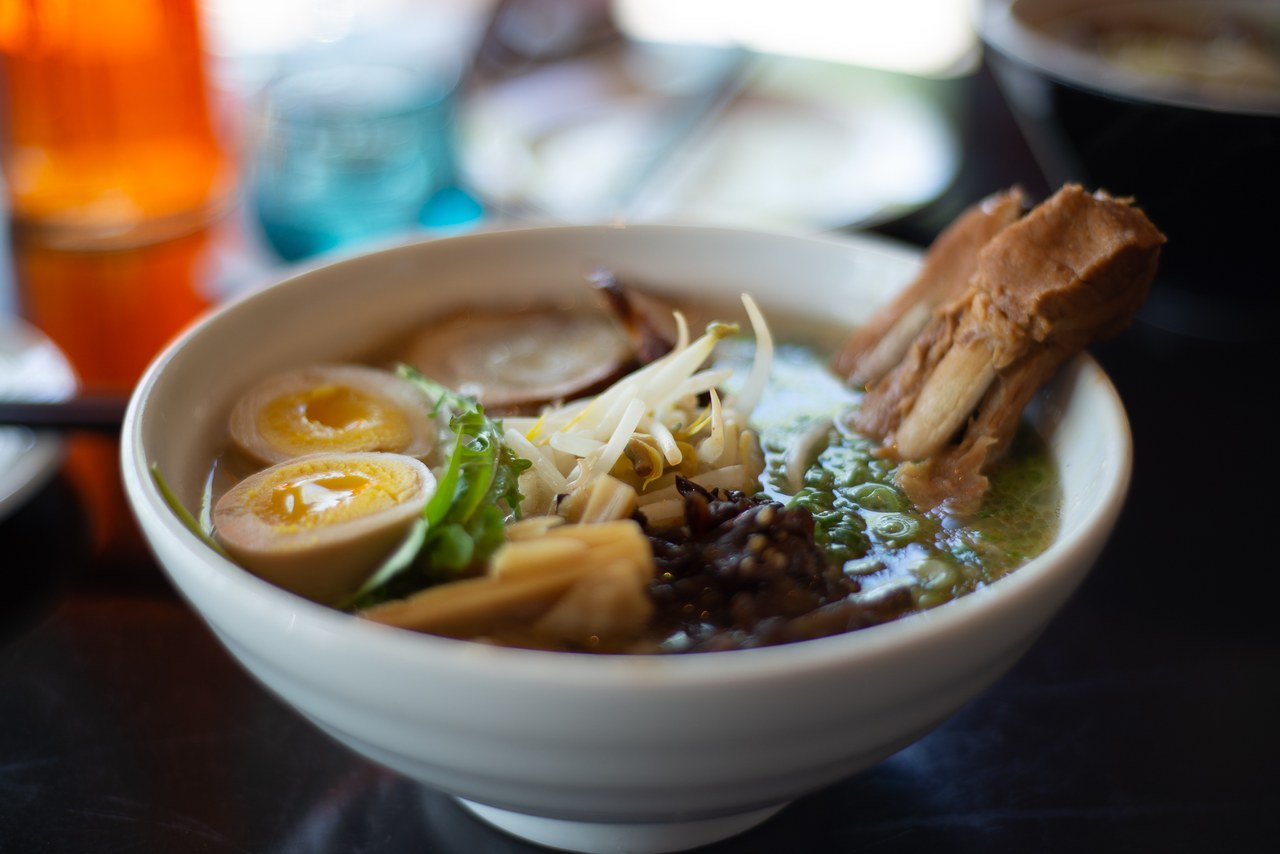
Tokyo has more Michelin-starred restaurants than any other city in the world. It also has exceptional food at every price point down to ¥500 convenience store onigiri, which are genuinely good. The gap in quality between expensive and cheap is smaller here than almost anywhere else.
Things to prioritise: ramen (every style, everywhere, impossible to go wrong), tonkatsu, sushi at a standing counter (cheaper than a sit-down restaurant, often better), yakitori in any alley that has charcoal smoke coming out of it, and convenience store food at 2am when everything else is closed. A guide to the best ramen specifically is at The Best Ramen in Tokyo.
For drinking, the izakaya is the format to understand — order drinks and small plates, stay as long as you like, pay at the end. Most kitchens run until midnight or later. The ones worth seeking out are generally in residential neighbourhoods away from tourist centres: Akabane and Asagaya are two of the best.
Neighbourhoods Worth Your Time
Beyond the obvious (Shibuya, Shinjuku, Asakusa), a few areas that consistently reward time: Shimokitazawa for vintage shops and live music, Yanaka for traditional low-rise Tokyo that survived the war, Koenji for record shops and an unhurried pace, Nakameguro along the canal for the café and restaurant strip. All are easily reached by train and none are on most tourist itineraries.
For night activity specifically, the guide to things to do in Tokyo at night covers the city's after-dark options in detail — neighbourhoods, bars, late-night food, and observation decks.
Practical Information
SIM Cards and Connectivity
Pick up a tourist SIM at the airport — IIJmio, Docomo, and au all sell data-only SIMs at arrival halls that work immediately. A 10–15GB SIM for 30 days costs around ¥2,000–¥3,500. eSIM options from providers like Airalo work if you set them up before departure. Connectivity in Tokyo is excellent — fast LTE or 5G almost everywhere, including underground on the subway.
Language
English signage is comprehensive at train stations, major tourist areas, and most restaurants (many now have picture menus or QR codes). Google Translate's camera mode handles menus and signs well. Knowing basic Japanese phrases (sumimasen, arigatou gozaimasu, eigo wa hanasemasu ka) is appreciated but not required. Most situations can be navigated without shared language.
Etiquette
A few things worth knowing: don't eat or drink while walking (except at festival stalls); speak quietly on trains and put your phone on silent; queue — always, for everything, without exception; and if you're using an escalator and not walking, stand on the left (or right in Osaka, uniquely). These aren't strict rules so much as the default operating mode of public life here, and fitting into it makes the city easier to move through.
Safety
Tokyo is one of the safest major cities in the world by any meaningful measure. Walking alone at night, in any neighbourhood, is not a concern. The full picture on safety — including the handful of things that are worth mild awareness — is in Is Tokyo Safe?
The Thing Most People Get Wrong
Most first-timers try to do too much. Tokyo rewards patience and repetition more than coverage. The best experiences here tend to happen when you're not rushing to the next thing — when you sit at the ramen counter a second time, when you walk the neighbourhood at a different hour, when you say yes to the place that doesn't have an English menu. Plan less than you think you need to. The city will fill the space.
Want to see Tokyo through a proper lens?
Book a Night Photography Session →