
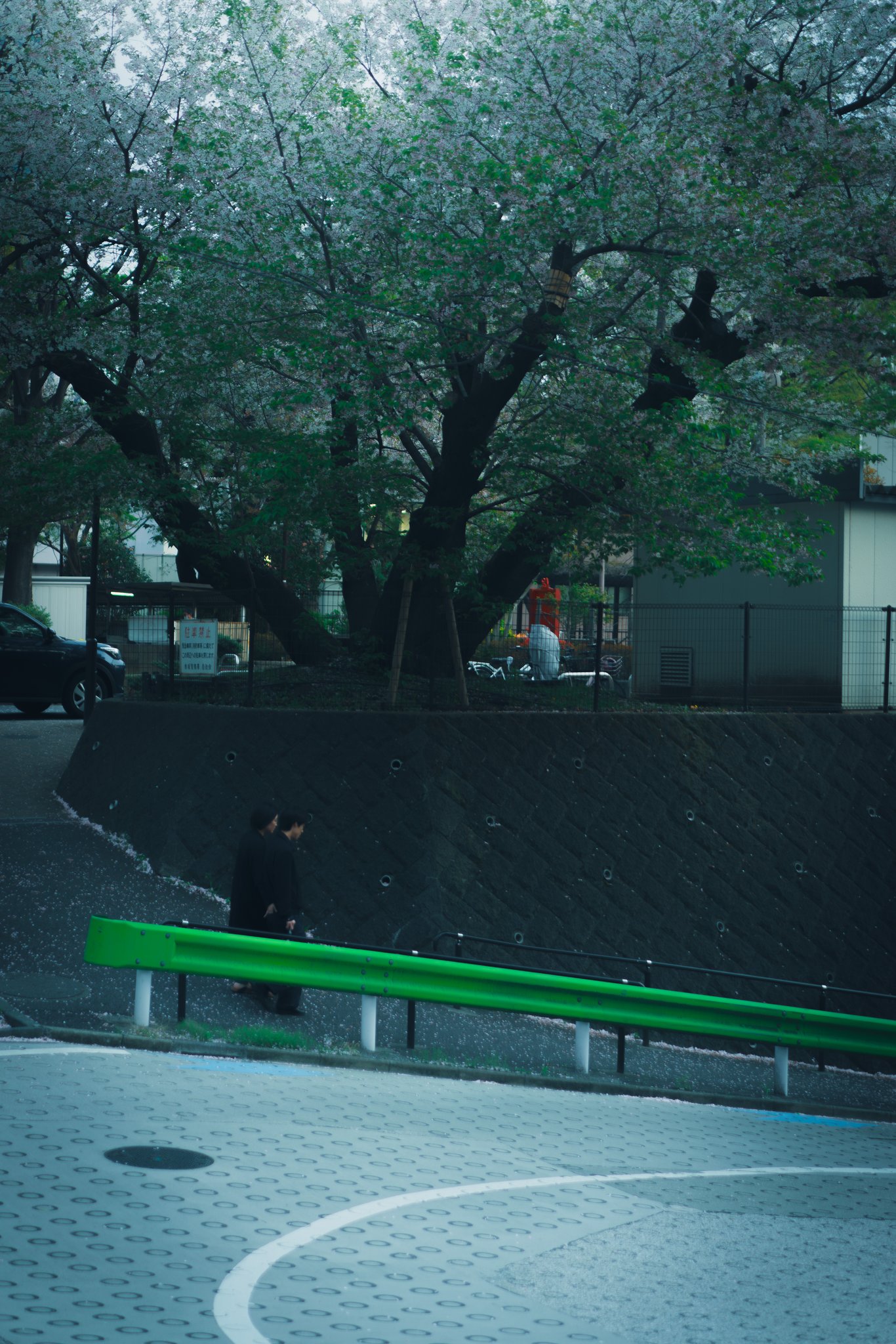
Whether it's a layover through Haneda, a single free evening between commitments, or your first night in Japan before a train south to Kyoto, one night in Tokyo is a specific planning problem. You don't have time to find your feet. You don't have time to wander without a plan and discover something interesting by accident — that takes days and some prior knowledge. You need to be somewhere specific at the right time from the moment you arrive. Here's where that somewhere is.
The One-Decision Version
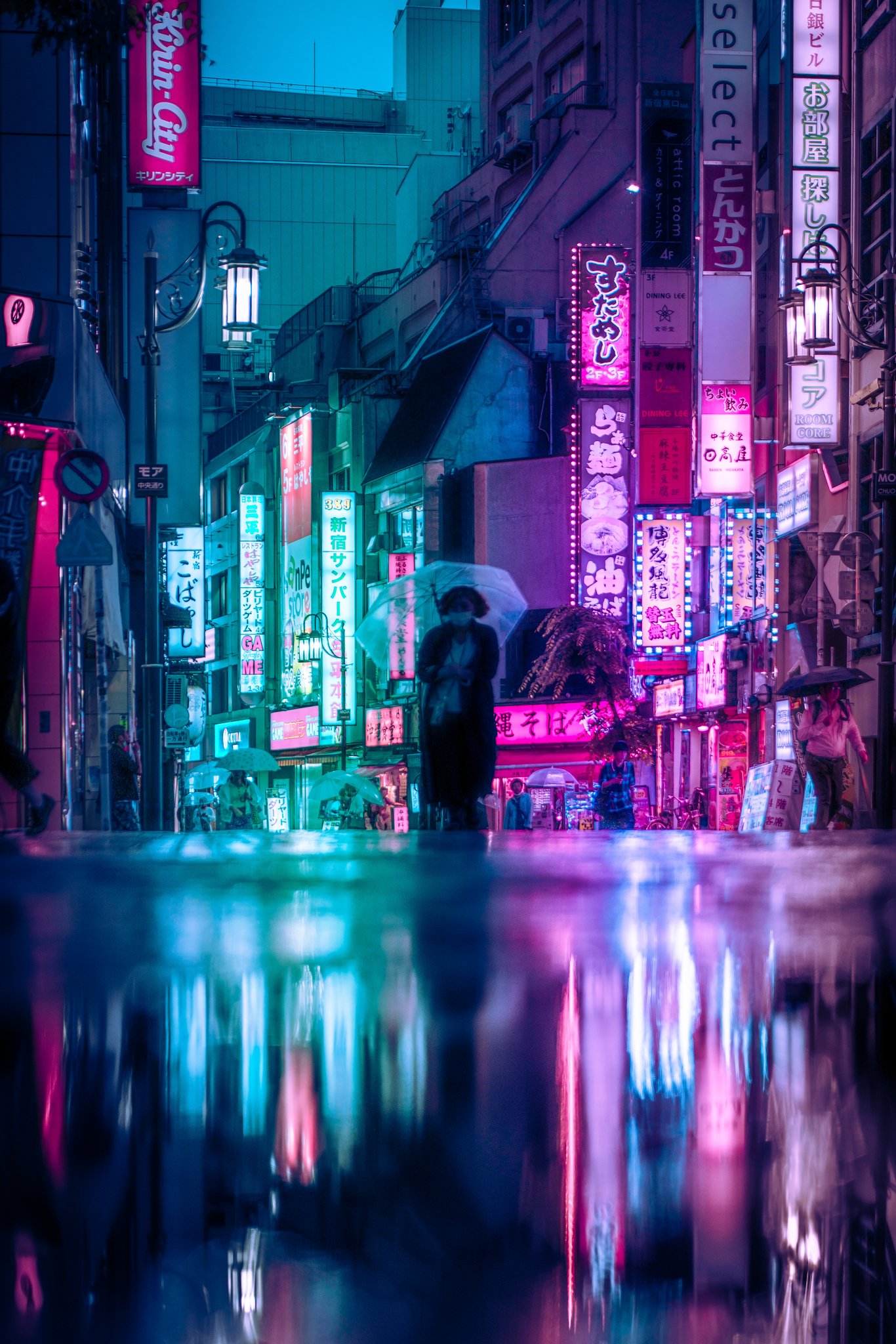
If you want a single answer: go to Shinjuku. Take the JR to Shinjuku Station, come out the east exit, walk toward the neon. This puts you in the most photographically concentrated area of Tokyo within minutes of arriving, with ramen options, convenience stores, and late-night bars immediately accessible. You can spend four hours there and not run out of things to shoot. If you arrive early enough for blue hour — the 30-60 minutes after sunset when the sky still holds color against the neon — the timing is perfect. If you arrive late, the streets are still worth walking until last train.
For where to stay if you have a room: hotels near Shinjuku Station range widely in price and most are walkable to the east exit entertainment district. A business hotel in the area costs ¥8,000–¥15,000 and gives you a small but functional room close to everything you need. This is not a night where the hotel matters — it's a place to leave your bags and sleep for a few hours. Spend the time budget on the street.
If You Have More Than Two Hours
Start in Shinjuku at blue hour. Shoot the main entertainment strip, the Golden Gai alley network, the back streets threading south of Kabukichō. Give it 90 minutes. Then take the Yamanote Line two stops to Shibuya. The Scramble Crossing at night is worth seeing once and worth photographing at least briefly — it's a genuine phenomenon and the 10 minutes it takes to do a pass of the crossing is a good use of time. From there, spend the remaining time in the side streets of Shibuya after dark: Dogenzaka, Center-gai, the narrow alleys running west of the station.
This two-neighborhood route covers the most photographically distinct areas of central Tokyo in an evening without requiring you to understand the city's full geography. Both neighborhoods are served by the Yamanote Line and easy to navigate with a Suica card bought at any station.
If You're Arriving from Narita
The Narita Express (N'EX) takes about 80 minutes to Shinjuku. A taxi from Narita to central Tokyo is expensive — plan for ¥20,000–¥25,000. The train is the right choice unless you have significant luggage you can't manage on the platform. Arrive, store bags at the station coin locker (Shinjuku Station has hundreds, most between ¥600–¥800 for a few hours), and walk out the east exit. You've solved the logistics.
If you're arriving from Haneda, the Keikyu Line to Shinagawa and then the Yamanote to Shinjuku takes about 40 minutes. The airport limousine bus is also good and drops near major hotels. Haneda is significantly easier to get into the city from than Narita — if you have any choice in the routing, Haneda is worth the premium.
Eating on One Night
Don't overthink this. Shinjuku has more ramen per square kilometer than anywhere on earth and most of it is good. The standing ramen counters in the alleys east of the station are fast, cheap (¥800–¥1,200), and frequently excellent. There's no need to research a specific restaurant — pick one with people in it and order what the person next to you is having. The standing eating format means turnover is fast and you're back out on the street in 15 minutes.
Convenience store food at 11pm or later is genuinely fine. I've said this elsewhere and I'll say it again: the onigiri and hot food at a Japanese 7-Eleven is not a last resort, it's a legitimate meal. On a night where time is the constraint, a ¥500 konbini dinner eaten while walking is a rational decision. The Michelin-starred kaiseki is for next time.
What to Skip
On one night in Tokyo, skip Asakusa. It's worth seeing and I've written about it — but the character of Asakusa is daytime and early evening. After 10pm it goes quiet, and if you're working with a short window of time, spending it in a neighborhood that's winding down rather than one that's peaking doesn't make sense. Add Asakusa to the list for next time.
Skip the observation decks. Tokyo Skytree and Mori Tower are both worth going up — on a trip where you have an afternoon to spare. On one night where every hour matters, spending 90 minutes on an elevator queue and a viewing platform is 90 minutes not spent on the streets, which is where the material actually is.
Skip Akihabara if you don't have a specific interest in it beyond the photography. Akihabara rewards the photographer who knows it — who understands where to stand and what time produces the best light and crowd configuration. On a first visit with limited time, the less legible visual density can be frustrating. Save it for a longer trip when you have time to walk it twice.
The Last Train Problem
Tokyo's trains stop between midnight and 1am. If your one night is genuinely one night — if you need to be at the airport or at a meeting in the morning — know your last train time before you go out and work backwards from it. The last Yamanote Line train from Shibuya toward Shinjuku runs around 12:50am on weekdays. Missing it means a taxi (¥1,500–¥3,000 between most central neighborhoods) or walking (30–60 minutes between Shibuya and Shinjuku on foot).
If you're free to stay out later, the city after last train has its own quality — I've written about this at length. On a single night in Tokyo, staying out until 2 or 3am and taking a taxi home may be the right call. You're not going to have this time again soon. Sleep on the plane.
Visiting Tokyo and want a photographer who knows where to go?
Book a Session in Tokyo →