
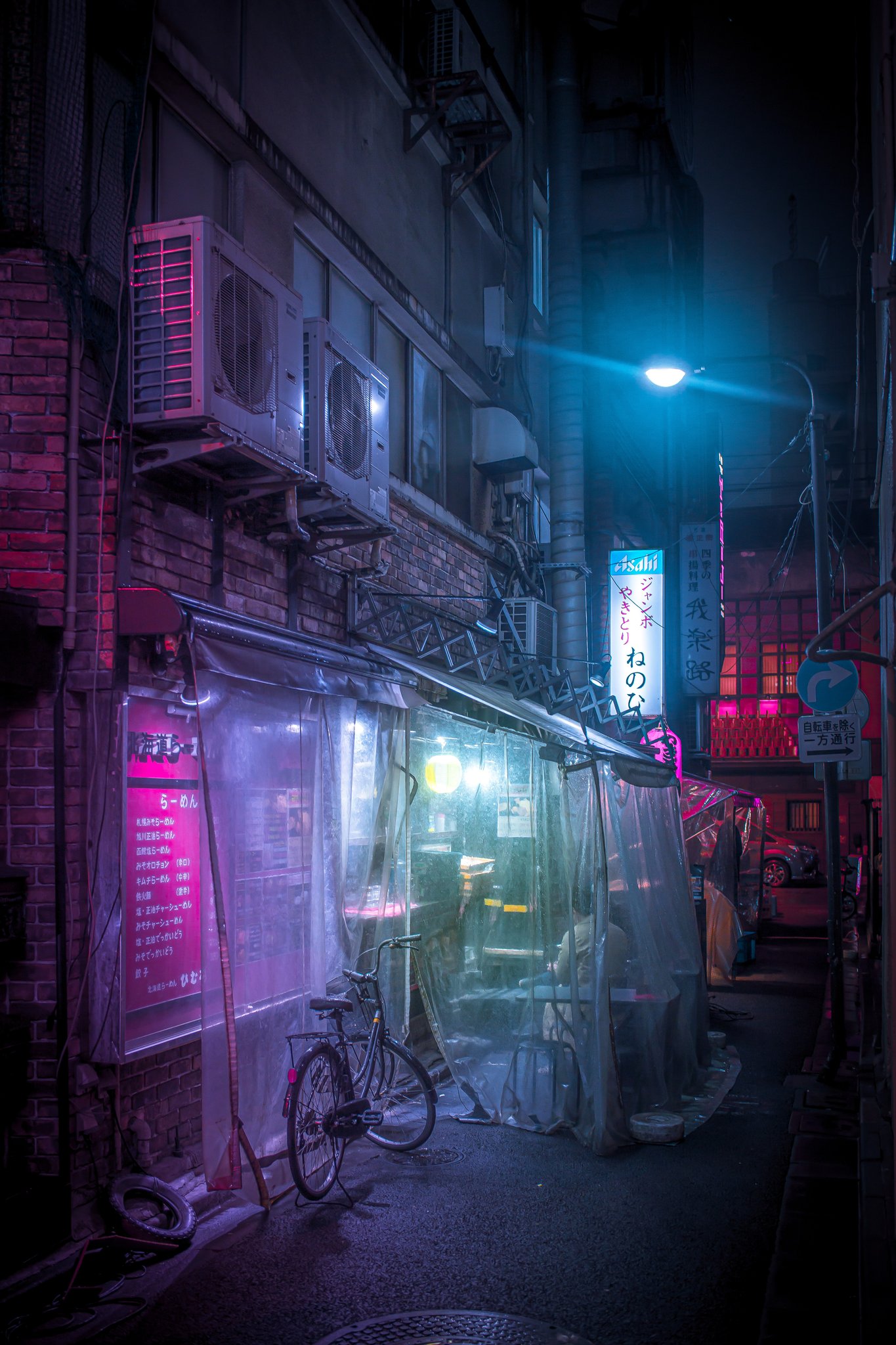
When I first moved to Tokyo I photographed it the way every photographer photographs a new city: everything was interesting because everything was new. The convenience stores. The vending machines. The way trains run on the second. The visual density of Shinjuku at night. I shot constantly and the images reflected that — technically decent, emotionally thin, the work of someone excited to be somewhere rather than someone who understood where they were.
Four years later I shoot less and care more about what I come home with. The transition between tourist photographer and resident photographer is gradual and uncomfortable and worth writing about, because a lot of the assumptions I started with turned out to be wrong.
The Obvious-Things Phase
The first year in Tokyo as a photographer, you shoot the things that look like Tokyo. The neon corridors. Shibuya scramble. Senso-ji. Vending machines at night. These are not bad subjects — they're visually compelling for real reasons and they produce strong images. The problem is that they're the images everyone who has ever visited Tokyo produces, and after a year of living here you realize you're still making the same photographs as visitors, which means you haven't actually learned to see the city yet.
The obvious-things phase is necessary. You have to get it out of your system before you can see past it. But it's worth knowing it's a phase rather than a destination. The work that comes after — the quieter, more specific, harder-to-make images — requires that you've exhausted the obvious and moved through it.
What Changes When You Stay
You stop seeing Tokyo as a collection of photogenic locations and start seeing it as a place where people live. This sounds trivial but the photographic implications are significant. You start noticing things that don't photograph easily — the specific quality of light on a Tuesday morning in your neighborhood, the three old men who are always at the same table in the same kissaten when you walk past at 9am, the stretch of elevated highway that you find beautiful in a way you can't fully explain and have been trying to photograph correctly for two years.
You also develop spatial knowledge that a visitor can't have. I know which streets in Shinjuku get interesting after 1am. I know where the blue hour light hits the canal in a specific way in early spring. I know which covered shopping arcades in outer Tokyo have been there since the 1960s and which ones got rebuilt. That knowledge isn't something you can get from a photography guide or a Reddit thread. It accumulates from walking the same streets repeatedly over years, in different seasons and weather and times of day, until the city stops surprising you with its geography and starts revealing its character instead.
Being a Foreigner with a Camera
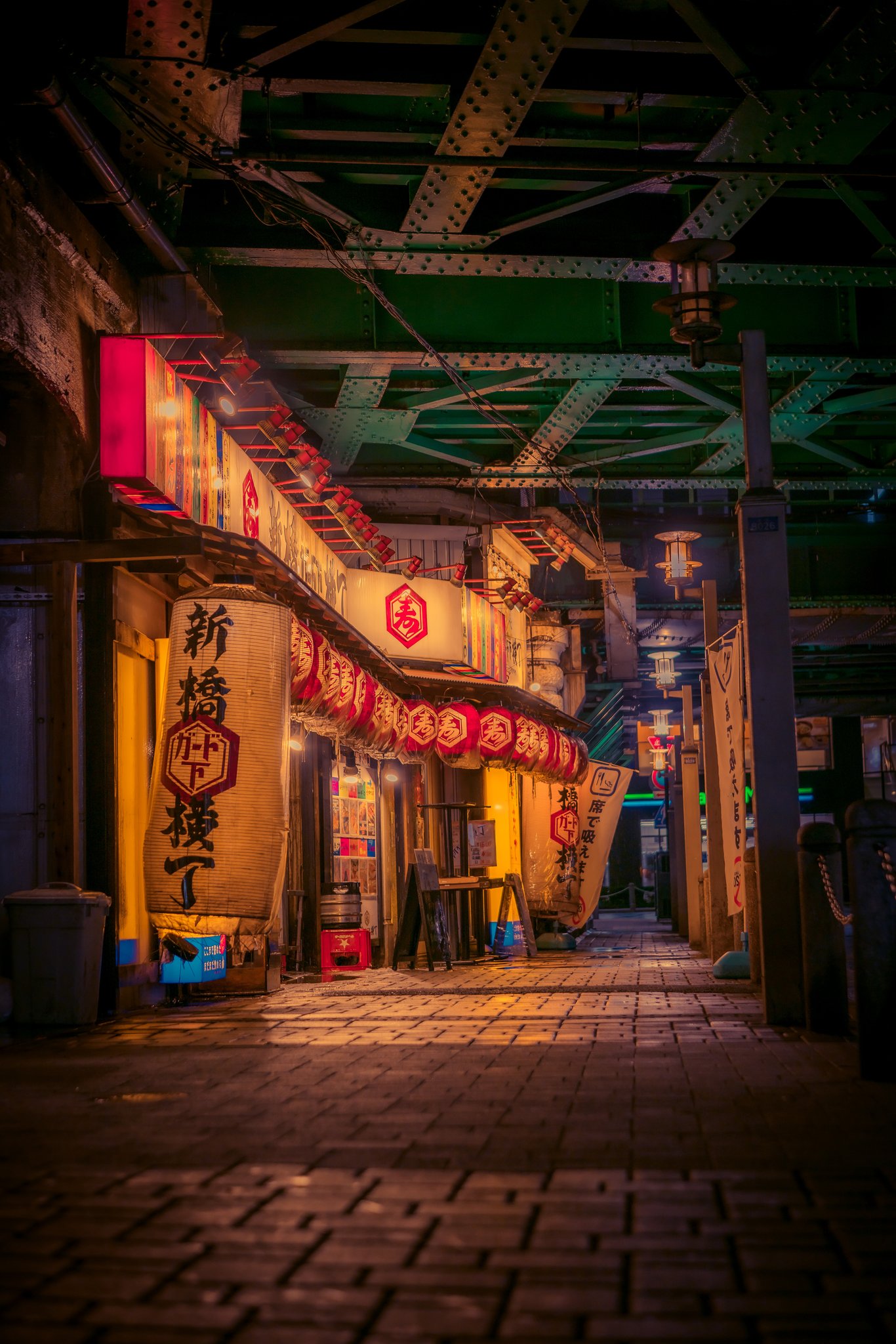
Japan is not hostile to photographers, but it is a country with strong social norms, and being visibly foreign while carrying a large camera in a public space creates a specific dynamic that takes time to calibrate. On the one hand, the foreigner-with-camera is a recognizable category in Tokyo and doesn't generate the kind of friction it might in a city less accustomed to tourism. On the other hand, being visibly foreign means you're never going to fully disappear into a scene the way a Japanese photographer might.
I've made peace with this. There are types of street photography — the invisible observer, the fly-on-the-wall — that are genuinely harder for me to do than they would be for someone who doesn't stand out. That's a real limitation. But there are also situations where being obviously not-from-here is an asset: people in tourist areas assume you're a tourist and behave accordingly, which sometimes produces more natural behavior than they'd show to someone they suspected was local press. The specifics vary. The general approach is to stop trying to be invisible and instead become fluent in the social signals that indicate you're photographing with interest rather than exploitation.
The Language Problem
My Japanese is functional but not fluent, which means I can handle most daily situations and most photographic situations without trouble, but there are still moments where the language gap creates problems. If someone wants to discuss whether I should be photographing something, I can explain myself at a basic level but I can't have a nuanced conversation. I've found that in practice this matters less than I expected — most interactions are short and resolved by tone and body language more than by words — but it's worth being honest that full fluency would change some things.
What language competence does give you, at any level, is permission to attempt connection. Even basic Japanese — konnichiwa, sumimasen, a brief explanation that you're a photographer — signals that you're not treating Japan as a backdrop, that you've made some effort to engage with the country on its own terms. In my experience this shifts how people respond to having a camera pointed in their direction, not because they suddenly consent to being photographed, but because the interaction has a different quality than one where neither party acknowledges the other exists.
The Images That Take Years to Make
The work I'm most satisfied with from the past four years isn't the technically strongest or the most visually dramatic. It's the images that required specific knowledge, specific timing, and a relationship with a place that could only come from time. The particular way a certain alley in Akabane looks after 11pm on a winter night when it's cold enough for condensation to rise from the ramen stall grates. The character of a neighborhood at the moment of transition from one generation of residents to another.
These aren't images a visiting photographer is going to stumble across. They require being in the right place repeatedly over time until the specific conditions that make the image possible happen to coincide with your presence. That's the real argument for staying in one place long enough to learn it — not that you'll get better images every session, but that over years you'll get images that couldn't exist any other way.
What I'd Tell Someone Starting
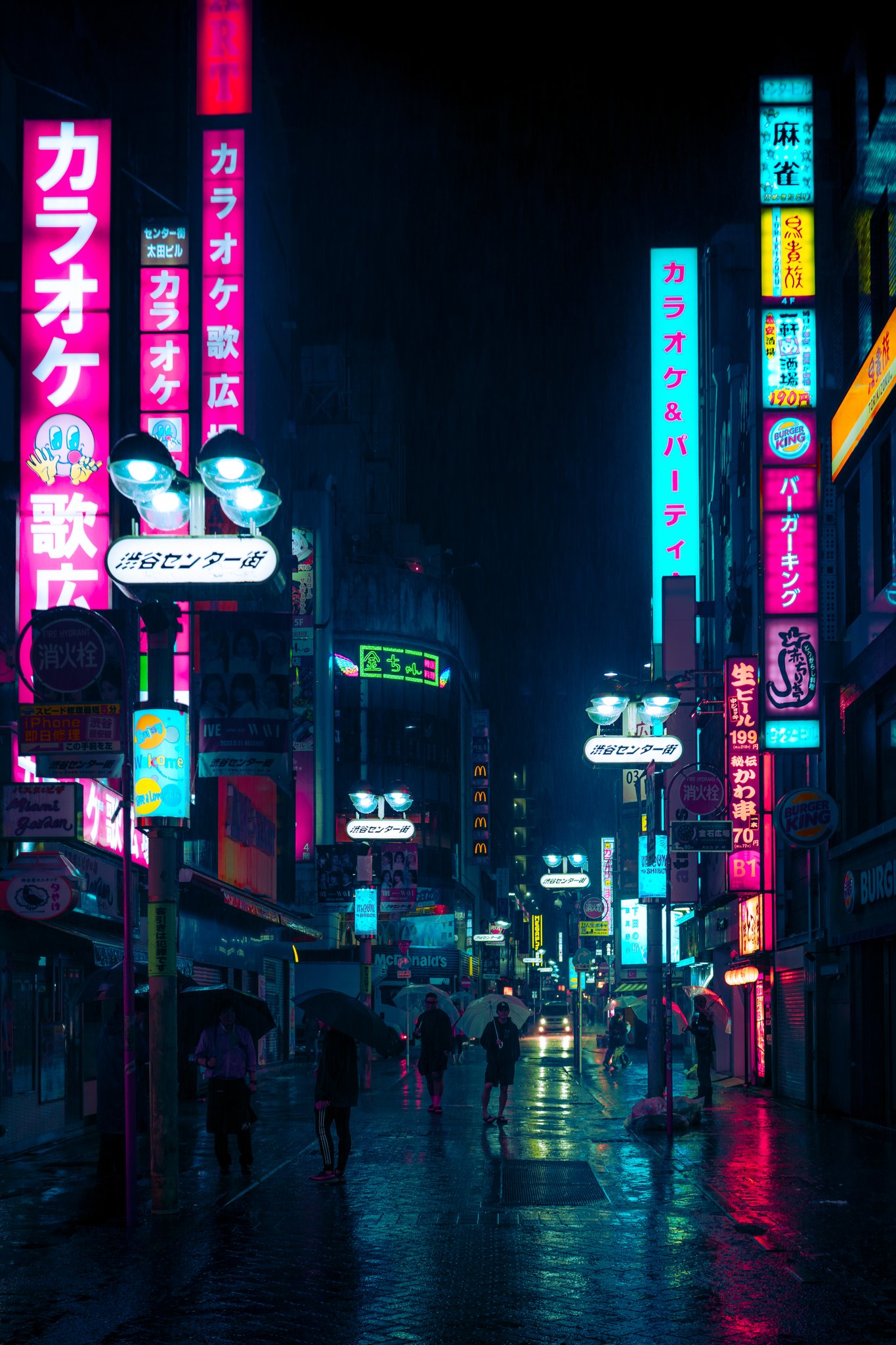
Shoot the obvious things first and get them done. Don't linger in the tourist-photography phase longer than you need to — push through it intentionally by shooting each landmark or famous spot until you've genuinely exhausted your interest in it and moved on. Then start walking neighborhoods without a plan. Eat at the places that don't have English menus. Learn enough Japanese to be polite. Stay out past the last train at least occasionally and see what the city looks like when most people have gone home. Give it time. The city will show you things it doesn't show people who are only here for a week — but only if you keep showing up.
Visiting Tokyo? Let me show you what I've learned about shooting it.
Book a Session in Tokyo →