
Nakano is one stop west of Shinjuku on the JR Chuo line — eight minutes, one fare zone — and it operates like a neighbourhood that made a deliberate decision not to become Shinjuku. The density is lower. The streets are quieter. There are almost no international tourists and a significant local population that comes here specifically because it isn't Shinjuku. For photography, that translates to a different kind of material: less spectacle, more character, and the particular visual quality of a place that doesn't know it's being watched.
Getting to Nakano
Nakano Station is on the JR Chuo and Sobu lines, with direct trains from Shinjuku taking about eight minutes. The Tokyo Metro Tozai line also terminates here, making it accessible from the east side of the city via a single train. The north exit puts you directly in front of the Sun Mall shotengai entrance. That's where most of the interesting material is concentrated.
Nakano Broadway: The Subculture Shopping Complex
Nakano Broadway is the neighbourhood's defining building — a multi-storey shopping complex at the north end of Sun Mall that has been the centre of Tokyo's vintage and subculture retail scene for decades. The basement and ground floor operate as a standard supermarket. Above that, the building fragments into dozens of small shops selling vintage manga, figures, retro games, idol merchandise, rare toys, and things that are harder to categorize. Mandarake, the largest second-hand anime and manga chain in Japan, occupies multiple floors and runs deep into the building.
The building isn't photogenic in the conventional sense — the lighting is fluorescent, the corridors are narrow, and you're not going to make a great street photograph inside. What it gives you is context. Walking through it tells you something about the neighbourhood's identity that you can't get from the streets alone. Nakano has been a hub for this subculture since before Akihabara became an internationally known destination, and Broadway is the physical record of that.
Sun Mall and the Shotengai
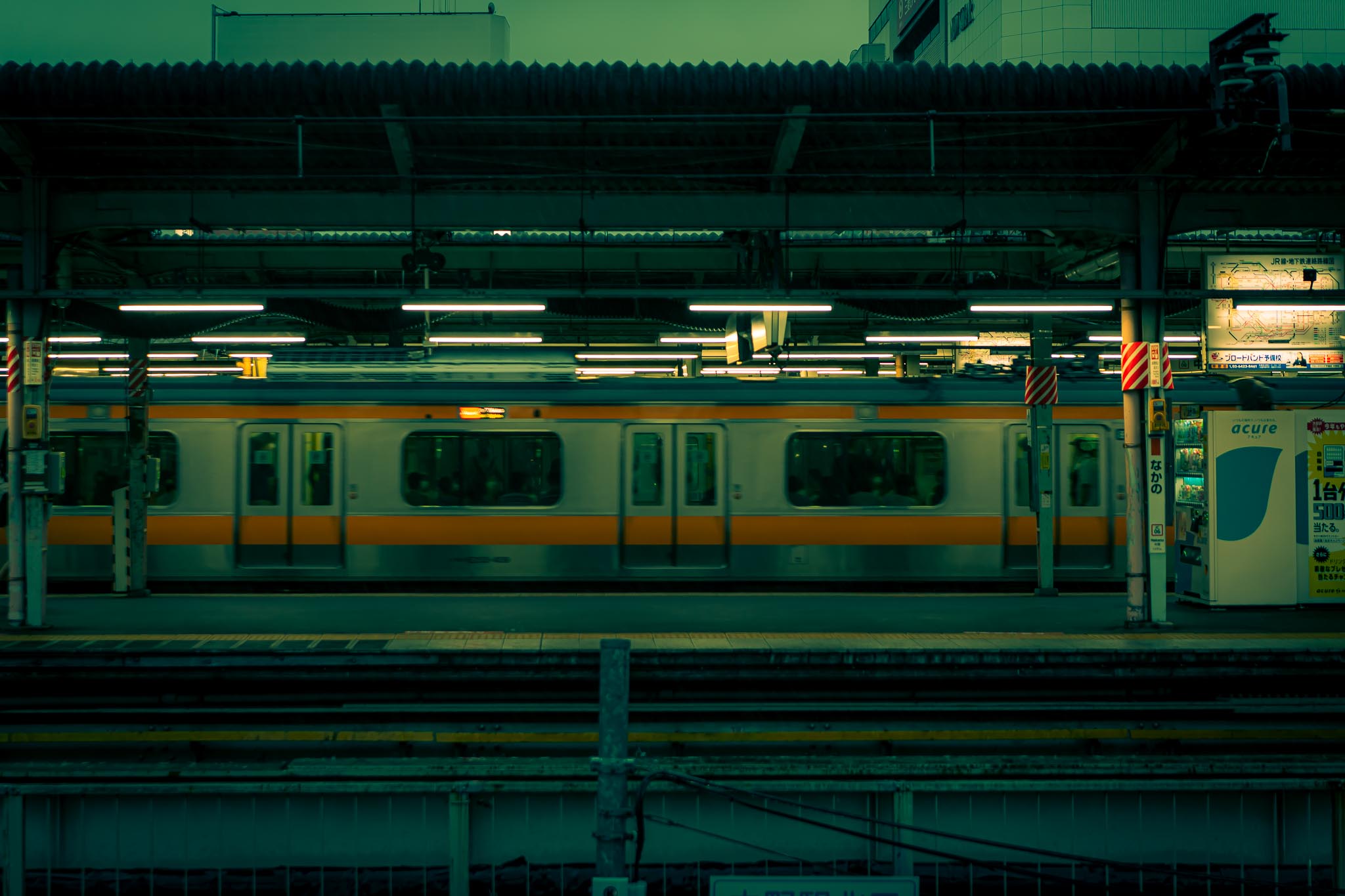
Sun Mall is the covered shopping arcade connecting the station to Nakano Broadway, and like most shotengai in Tokyo it has a split character. During the day it's functional retail — food stalls, small clothing shops, a few cafes. In the evening, when the shops close and the overhead light shifts, the arcade takes on a different quality. The fluorescents give way to the ambient glow from whatever remains open, and the foot traffic changes from shoppers to people heading to the izakayas clustered around the Broadway entrance.
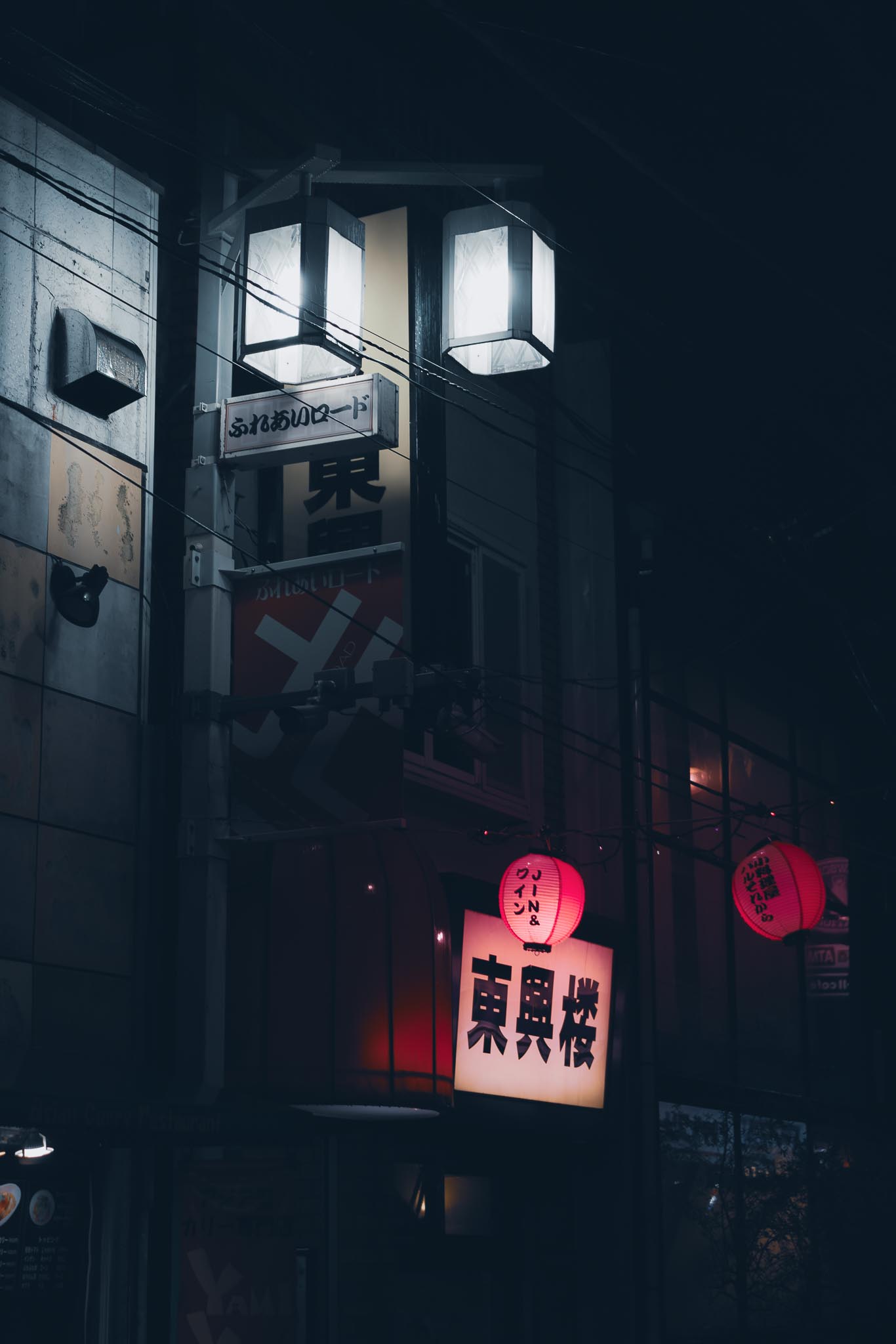
The streets running east and west off Sun Mall — particularly north of the station — are where the evening photography happens. The izakaya density here is high enough to provide consistent light without being overwhelming. A red paper lantern in a doorway, a square street lamp above an alley entrance, the specific kind of darkness that sits between two lit storefronts. These are the frames that work in Nakano.
The Photography Case for Nakano
Nakano's visual register is quieter than Shinjuku — less neon density, more lantern light, streets that go genuinely dark between the lit clusters. For photographers used to shooting in high-stimulation environments, this requires an adjustment. You're not extracting a subject from visual noise. You're waiting for the visual to present itself in a frame that's mostly dark.
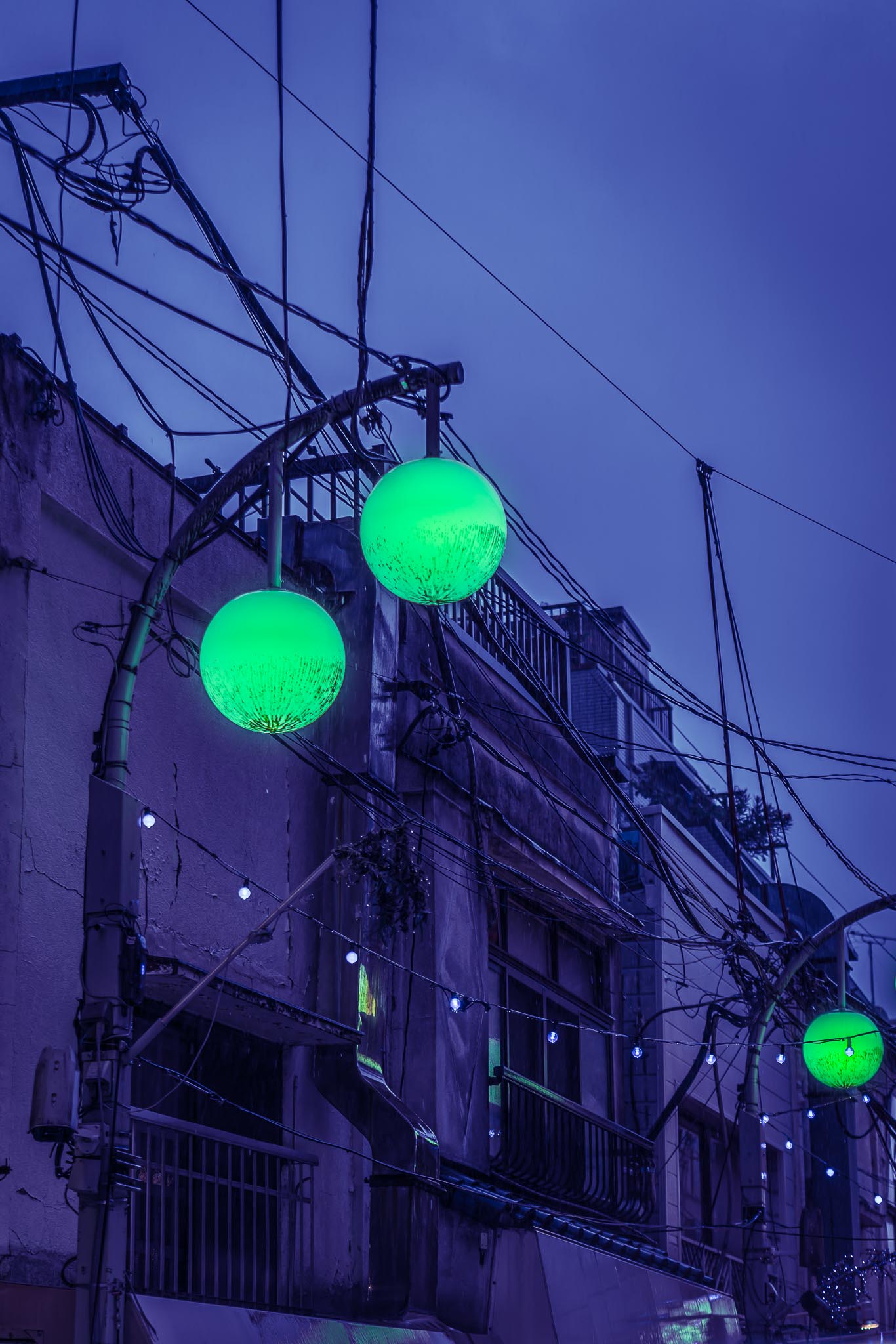
The green orb street lights along certain stretches north of the station are the neighbourhood's most distinctive visual element. They're unusual — not the standard sodium lamp or LED streetlight — and they cast a specific quality of light onto the buildings behind them that reads differently in camera. At dusk, with the sky still holding some blue and the orbs already fully on, the combination of artificial green and ambient blue is something you don't find in the more famous parts of the city.
Rain works here as it does everywhere — the pavement under those green lights becomes a reflective surface, and the already distinctive color gets doubled. If you're going to choose one night to shoot in Nakano, make it a wet one.
How Nakano Compares to Koenji and Shimokitazawa
The west Tokyo Chuo line corridor — Nakano, Koenji, Asagaya, Ogikubo — has a shared identity as the alternative to Shinjuku's density and Shibuya's commercialism. Each stop has a slightly different character. Asagaya has its jazz bars and Pearl Center shotengai. Koenji has the vintage clothing and live music scene. Shimokitazawa, on a different line, has gone the furthest toward becoming a tourist destination in its own right.
Nakano sits between identities in a useful way. It has the subculture credibility of Akihabara without the sensory overload. It has the neighbourhood character of Koenji without Koenji's self-awareness. It's the version of west Tokyo that's still figuring out what it wants to be, and that ambiguity produces good photographs.
When to Visit
Nakano Broadway keeps afternoon hours — most shops open around noon and close by 8pm. If you want to see the building, go in the late afternoon. If you want to shoot the streets, stay for the evening. The izakayas around Sun Mall and north of the station run until midnight or later, and the streets have enough foot traffic to be interesting without being crowded.
Weekdays are better than weekends for the neighbourhood feel. On Saturdays the Broadway draws a specific crowd from across the city, which changes the texture of the area. A weekday evening — Tuesday or Wednesday, after 7pm — has the most authentic version of Nakano operating in the way it operates for the people who live there.
Looking for a portrait session with real Tokyo as the backdrop?
Book a Session in Tokyo →