
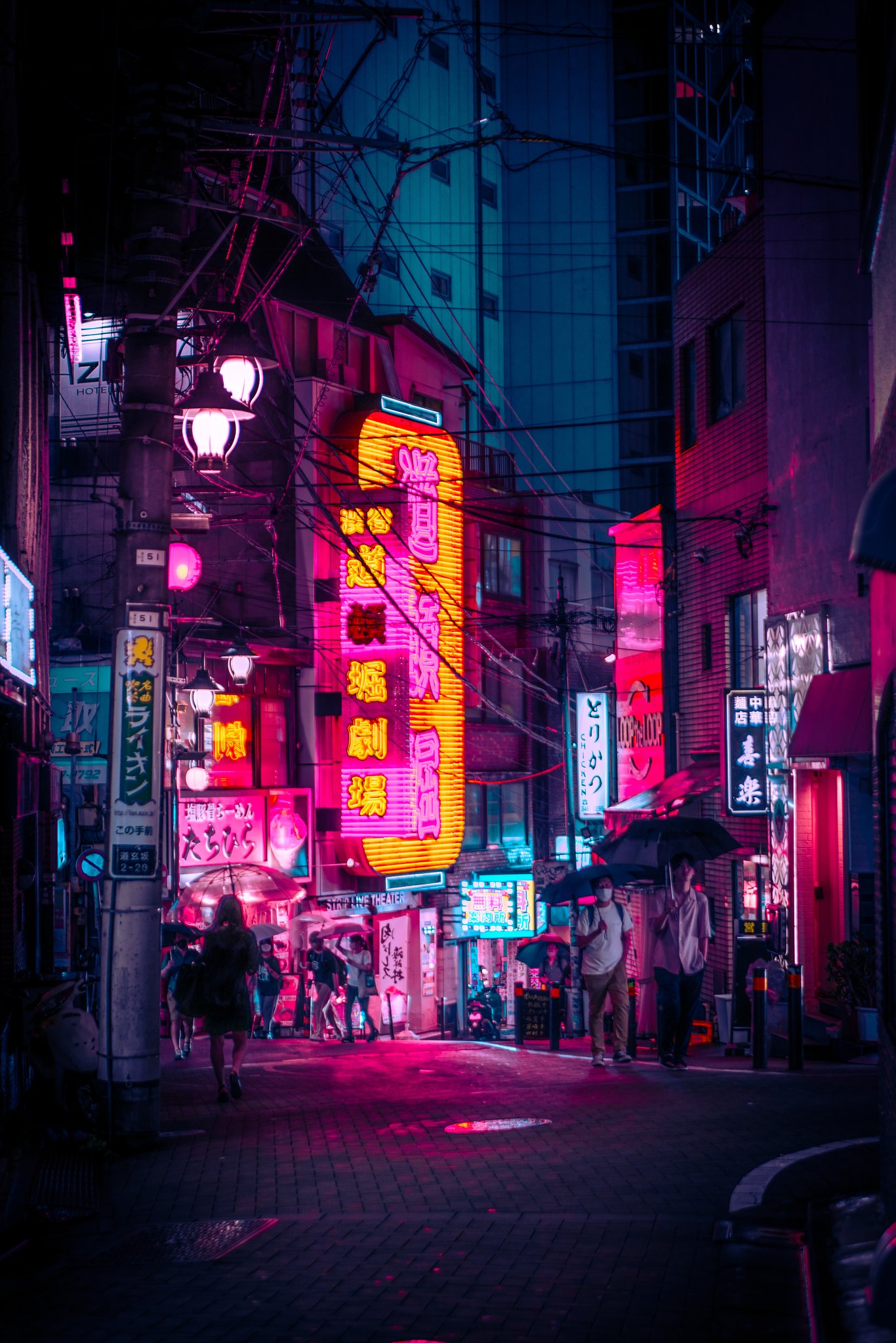
Every Tokyo photography guide covers the same ten locations. Shibuya scramble. Shinjuku Golden Gai. Senso-ji. The view from Mori Tower. Tokyo Skytree reflections. These are real places worth photographing and I'm not going to pretend otherwise — I've written posts about some of them. But after four years of shooting this city I've stopped spending most of my time at famous locations and started spending it at places I found by accident or by walking further than the obvious route suggested. Here's what I've found.
Koenji's Back Alleys — After 10pm
Koenji has a reputation as Tokyo's counterculture neighborhood — punk bars, vintage shops, live music venues — and that reputation is accurate, but most people who visit it do so in the early evening when it's busy and easy. After 10pm, when the venues fill up and the crowd moves inside, the streets take on a different quality. The alleys threading north and south of the station, especially the ones running behind the live houses, are narrow and neon-lit in a way that's different from Shinjuku — smaller signs, older buildings, handwritten boards rather than LED displays. The light is warmer and less corporate. The people are more interesting than the tourist-area crowds. There are almost no other photographers.
The specific alley I keep returning to runs northwest of Koenji Station's north exit, through a small cluster of bars that look like they've been there since the 1970s and probably have. It photographs well at f/1.4 with the 50mm, with a single streetlight providing the key light and the bar signs filling in the background. Worth two hours any night of the week.
Shimbashi at Last Train
Shimbashi is a salaryman district — office buildings, businessmen, the kind of area that feels completely different depending on what time you arrive. At 11:45pm on a weekday, fifteen minutes before last train, the area around Shimbashi Station has an energy that doesn't exist anywhere else in Tokyo at that hour. The businessmen who have been drinking since 7pm are making their way to the platform with varying degrees of urgency. The izakaya are doing their last rush of orders. The street food vendors outside the station are at peak business. It's chaotic, human, funny, and sad in equal measure, and it photographs extraordinarily well if you're comfortable being in the middle of it with a camera.
The Shimbashi station exterior at night — the SL Plaza with the old steam engine, the cluster of food stalls, the taxis — is one of my most-returned-to locations in Tokyo. It's in travel guides but not photography guides, which means there are tourists and no other photographers. That combination is ideal.
The Elevated Tracks Area in Yurakucho
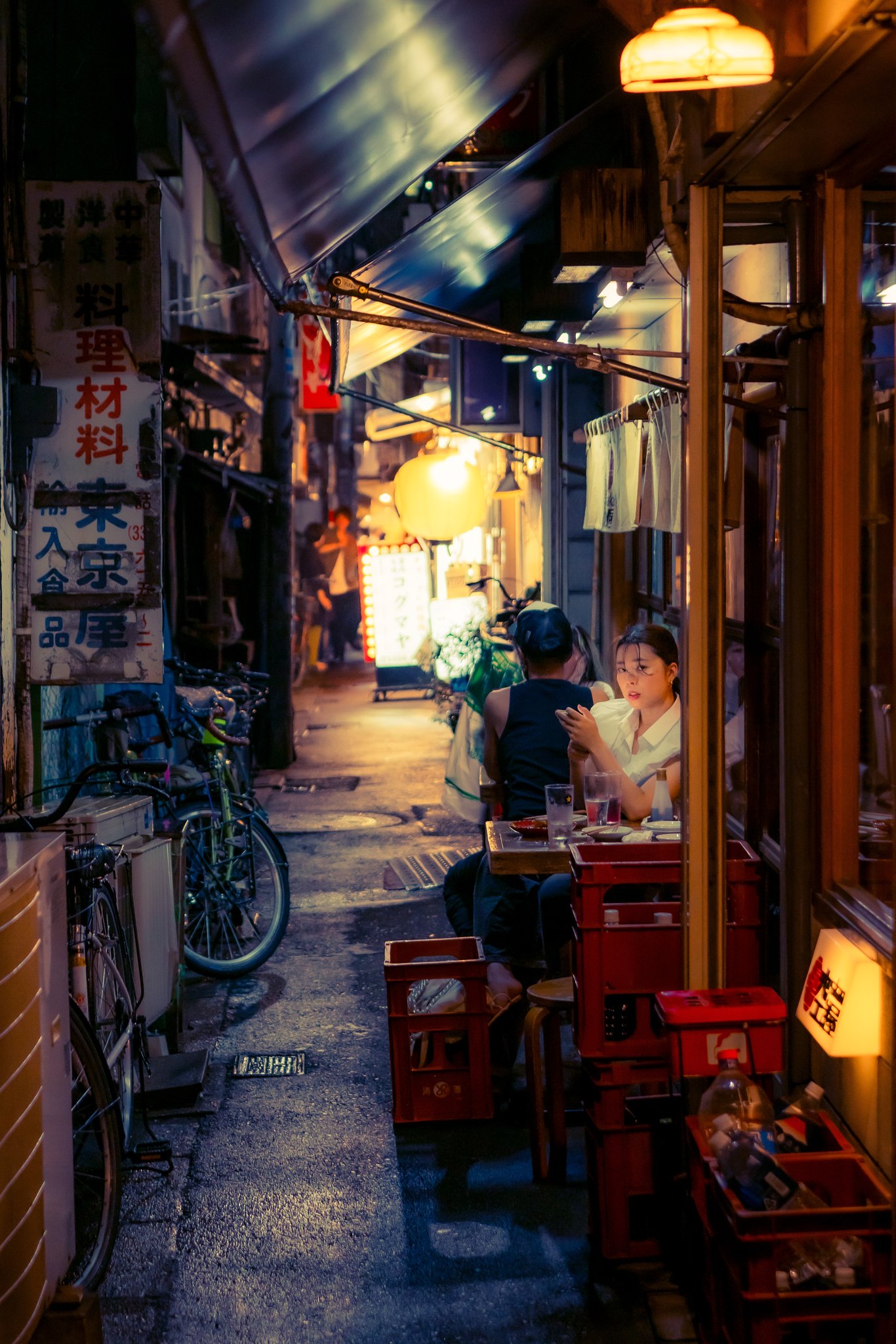
Between Yurakucho and Hibiya, directly under the elevated Yamanote and Keihin-Tohoku rail lines, is a strip of bar and restaurant spaces built into the arches of the elevated structure. These have been here since the postwar period and the architecture is unrepeatable — dark brick arches, low ceilings, trains passing overhead every few minutes. At night with the bar signs lit against the brick and the train light intermittently illuminating the space, it's one of the most cinematic environments in Tokyo. It appears occasionally in photography lists but rarely with any specificity about when to go or what to look for. Come after 9pm. Walk the full length of the strip from Yurakucho toward Hibiya. The best light is under the densest cluster of arches, roughly in the middle of the stretch.
Nakameguro Side Streets — Not the Canal
Everyone photographs the Nakameguro canal. The canal is beautiful and the cherry blossom season version of it is justifiably famous. What doesn't get photographed is the residential street grid surrounding it — narrow lanes with independently owned cafes, small galleries, houses with specific architectural character, the occasional dog walker or cyclist who provides scale and human interest. This area is worth more than the canal precisely because nobody is photographing it. You have the space to work slowly and the material is different from anything else in central Tokyo.
West Shinjuku at 3am
East Shinjuku — Kabukichō, Golden Gai, the main entertainment strip — is photographed constantly and I've written about it extensively. West Shinjuku, the skyscraper district, is almost completely ignored by photographers because the architecture is corporate and the streets are empty during business hours. At 3am it becomes something else. The towers are lit from inside, the streets are completely clear, and the scale of the buildings against the empty pavement creates a specific kind of urban desolation that doesn't exist earlier in the night when people are still moving through. It looks like a film set. The light is coming from the buildings themselves — reflected off glass surfaces, spilling through lobbies — rather than from street-level signage. A completely different visual register from the east side and worth exploring on any night you're out past last train.
The Useful General Rule
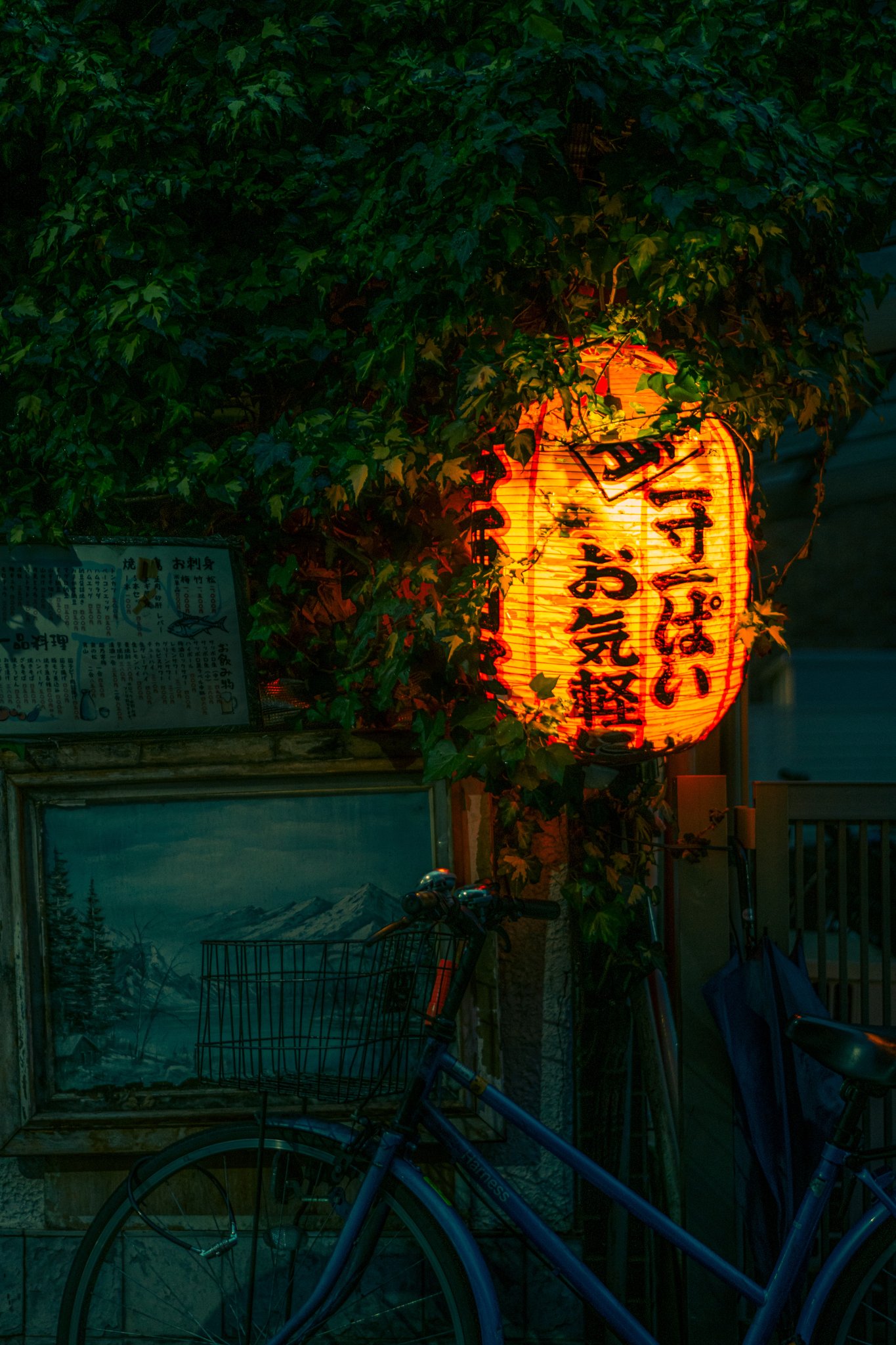
Every neighborhood in Tokyo has a version of what I've described above — a specific place, time, and condition under which it becomes more photographically interesting than its reputation suggests. Finding these places is mostly a function of going back repeatedly and paying attention to what's different each time. The first visit to any location you're shooting what's obviously there. The fifth or sixth visit you start seeing what's underneath it.
The specific spots I've listed here will be in someone's photography guide within a year of this post going up — that's how it works. By the time you read this, Koenji back alleys might be in a YouTube video with 200,000 views. The principle is more durable than the specific locations: the interesting material in Tokyo is consistently one turn off the obvious route, at a time of night or in a weather condition that most people find inconvenient. Show up in the rain. Stay out past the last train. Walk past the thing everyone is photographing and see what's behind it.
Want me to take you to the spots that don't make the lists?
Book a Session in Tokyo →