

Typhoon season in Japan runs from roughly June through October, with the real activity concentrated in August, September, and into early October — the stretch when warm ocean water off the Pacific gives storms the most fuel. Most years bring somewhere between two and four typhoons that get close enough to Japan to actually matter, out of a much larger number that form and curve away without ever threatening land. The odds of a specific trip getting hit directly by a major typhoon are lower than the internet makes it sound. The odds of a trip in this window being affected by typhoon season generally — rain, a delayed train, a day of rescheduled plans — are considerably higher.
What Actually Happens
When a typhoon does track toward Japan, the country's response is fast and well-practiced. Japan Meteorological Agency forecasts are detailed and reliable days out, trains suspend service ahead of the worst of it rather than during, and flights get rescheduled with enough lead time that you're rarely caught somewhere with zero options. The disruption is real but it's rarely chaotic — more a day or two of "everything's closed, stay inside" than genuine danger, provided you follow the official guidance and don't try to push through it.
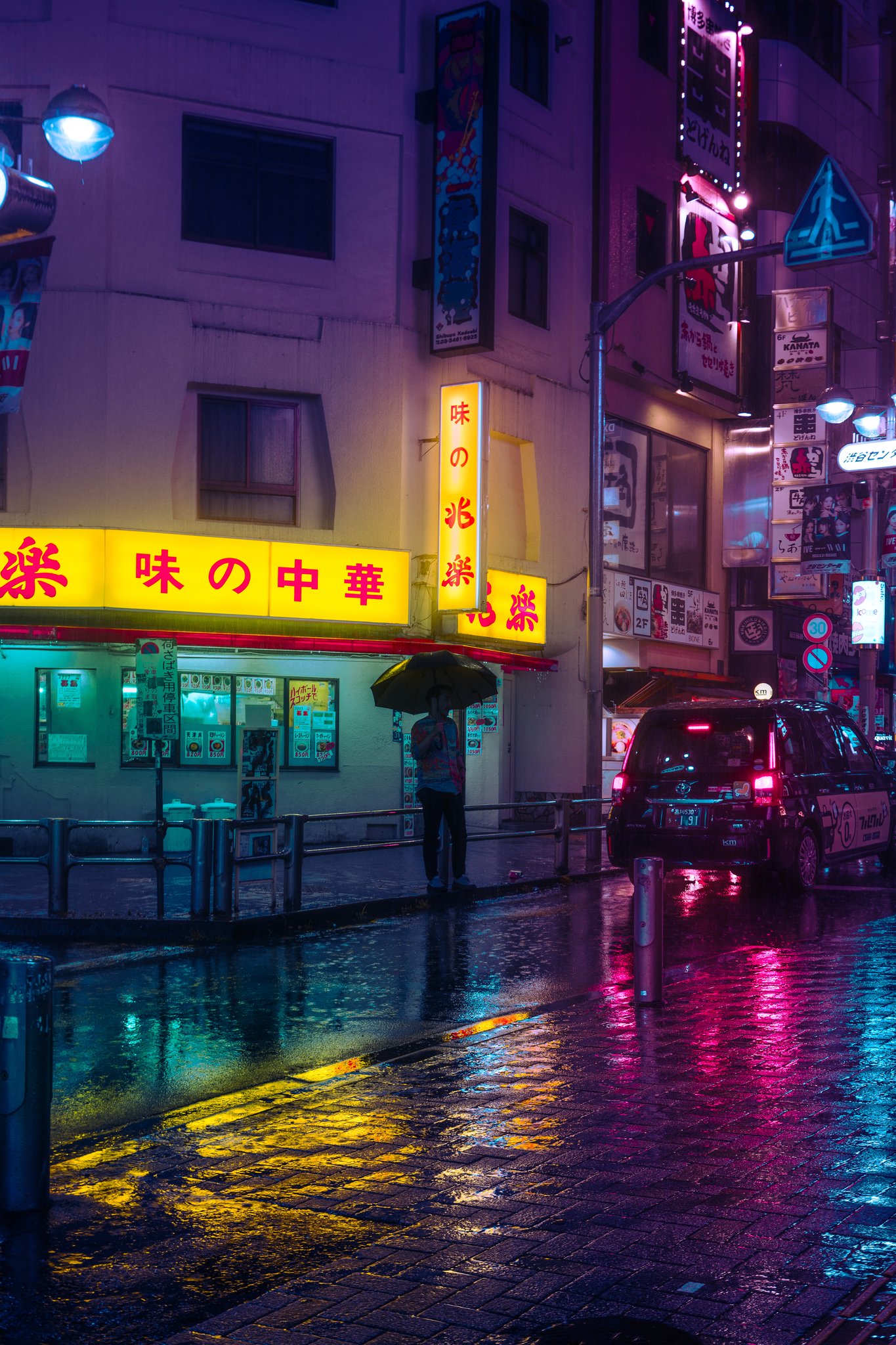
The bigger everyday factor isn't the typhoons themselves — it's the general instability they bring to the shoulder season around them. September in Tokyo can swing from oppressive humidity to a sudden cold front to a full day of horizontal rain, sometimes within the same week, driven by storm systems that never make direct landfall but still drag their outer bands across the city.
How to Plan Around It
Build slack into an itinerary during this window rather than a tightly packed schedule — a typhoon-adjacent rainy day eating into a rigid three-city plan is a bigger problem than the same day inside a looser one. Check the JMA's typhoon tracker or a reliable weather app daily rather than trusting a forecast from a week out; typhoon paths shift constantly and the useful window for planning is really two to three days ahead. Pack for rain regardless of what the forecast says on the day you book flights — a decent waterproof layer and shoes that don't fall apart when wet make more difference to how the trip feels than almost any other packing decision.
If a typhoon warning is actually issued for where you are, take it seriously and stay in. This isn't the moment to push for the one landmark you had on the list. Convenience stores and train operators will tell you clearly when things are shutting down, and the shutdown is usually shorter than it sounds — a day, sometimes less.
The Upside Nobody Mentions
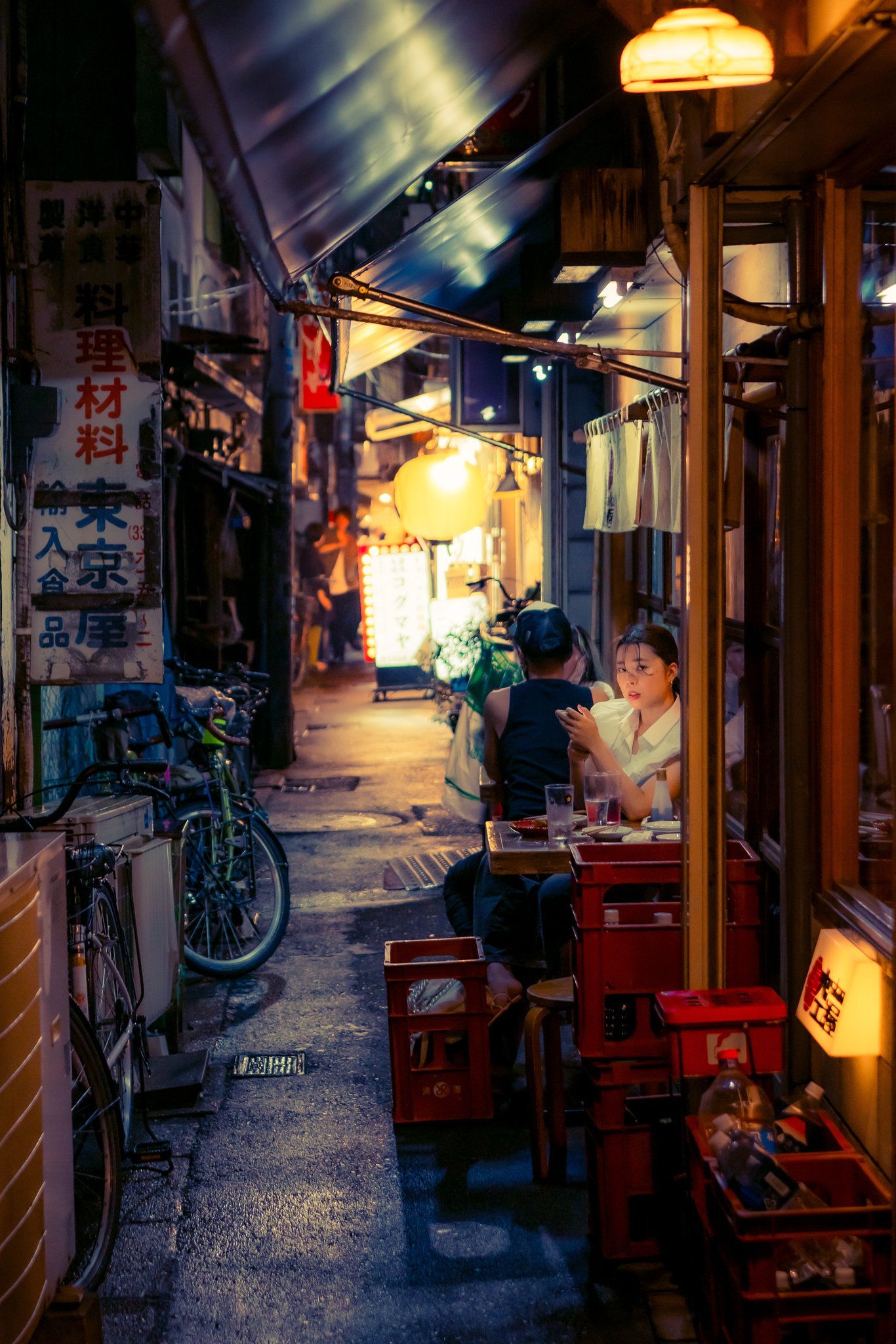
Rain is underrated for photography here, and typhoon-season rain especially. The hour after a downpour starts, before anyone's cleared the streets, is some of the best light Tokyo produces — every neon sign doubled in the wet pavement, streets emptied of the usual crowds because everyone sensible went inside. Some of my favorite frames from the entire year come from exactly the kind of weather most people are trying to avoid. If a trip happens to land in typhoon season, that's not purely a problem to manage around. It's also a specific, less-photographed version of the city that most visitors never see because they stayed in.
Want photos that actually use Tokyo's weather instead of hiding from it?
Book a Night Session in Tokyo →