
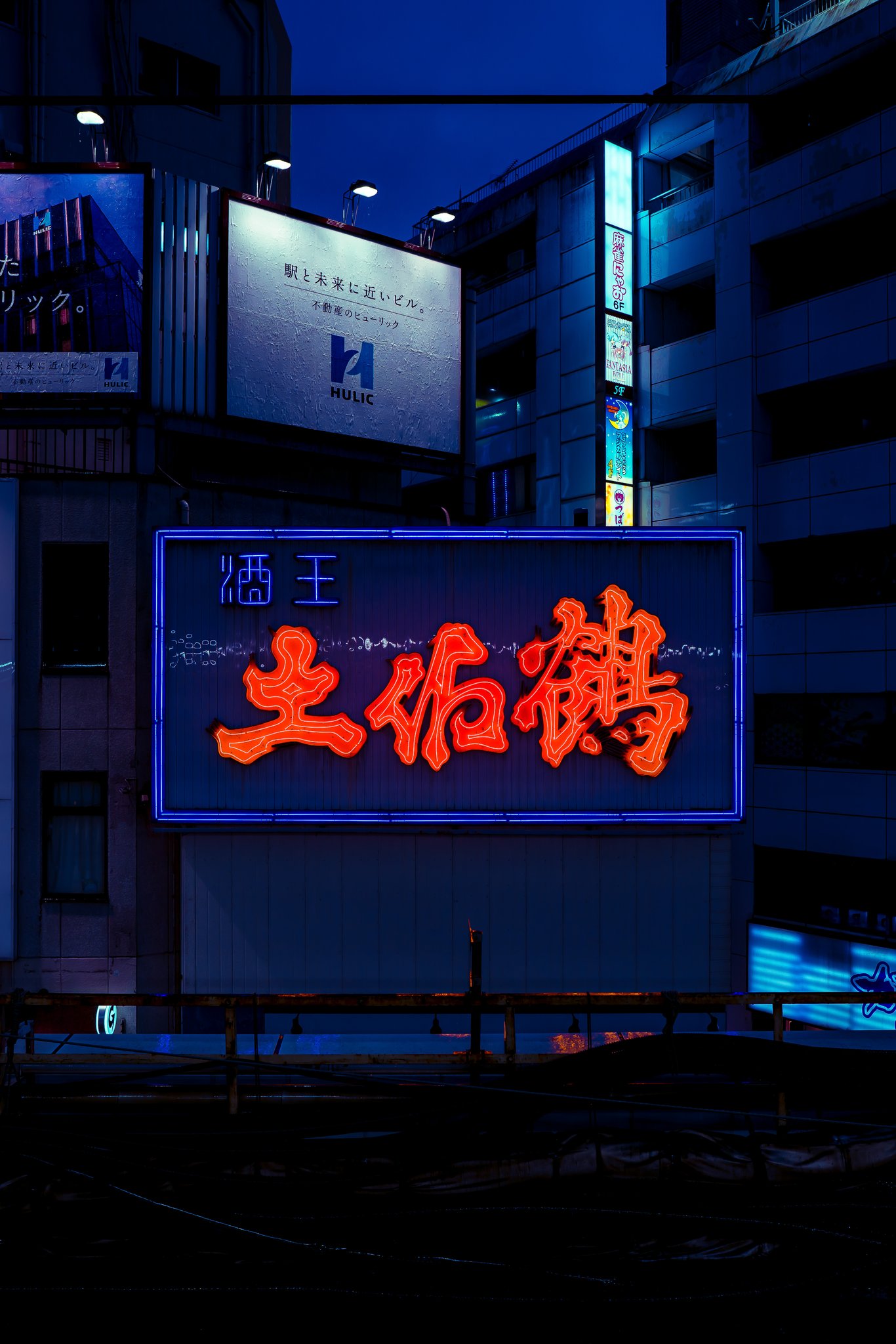
A lot of countries treat solo travel as something you make work despite the infrastructure. Japan is one of the few places where the infrastructure seems to have been built with a solo traveler in mind, even though that's not really why any of it exists. Counter seating designed for one person is everywhere — ramen shops, standing bars, sushi counters where eating alone isn't a compromise, it's the default experience the seating layout expects. Trains run on a schedule precise enough that you never need a travel companion just to manage logistics. Crime is low enough, and the general social contract around not bothering strangers is strong enough, that walking alone at night in most neighbourhoods is genuinely unremarkable, at almost any hour.
Where It's Actually Easy
Convenience stores, ticket machines, hotel check-ins — huge amounts of daily logistics here are designed to be handled without needing to talk to anyone, which sounds isolating on paper and in practice removes a lot of the friction that makes solo travel exhausting elsewhere. You're never stuck negotiating a shared decision about where to eat or when to leave. If you want to stand at a counter for forty minutes eating ramen slowly while reading something on your phone, nobody at that counter finds it strange, because most of the other people at that counter are doing exactly the same thing.
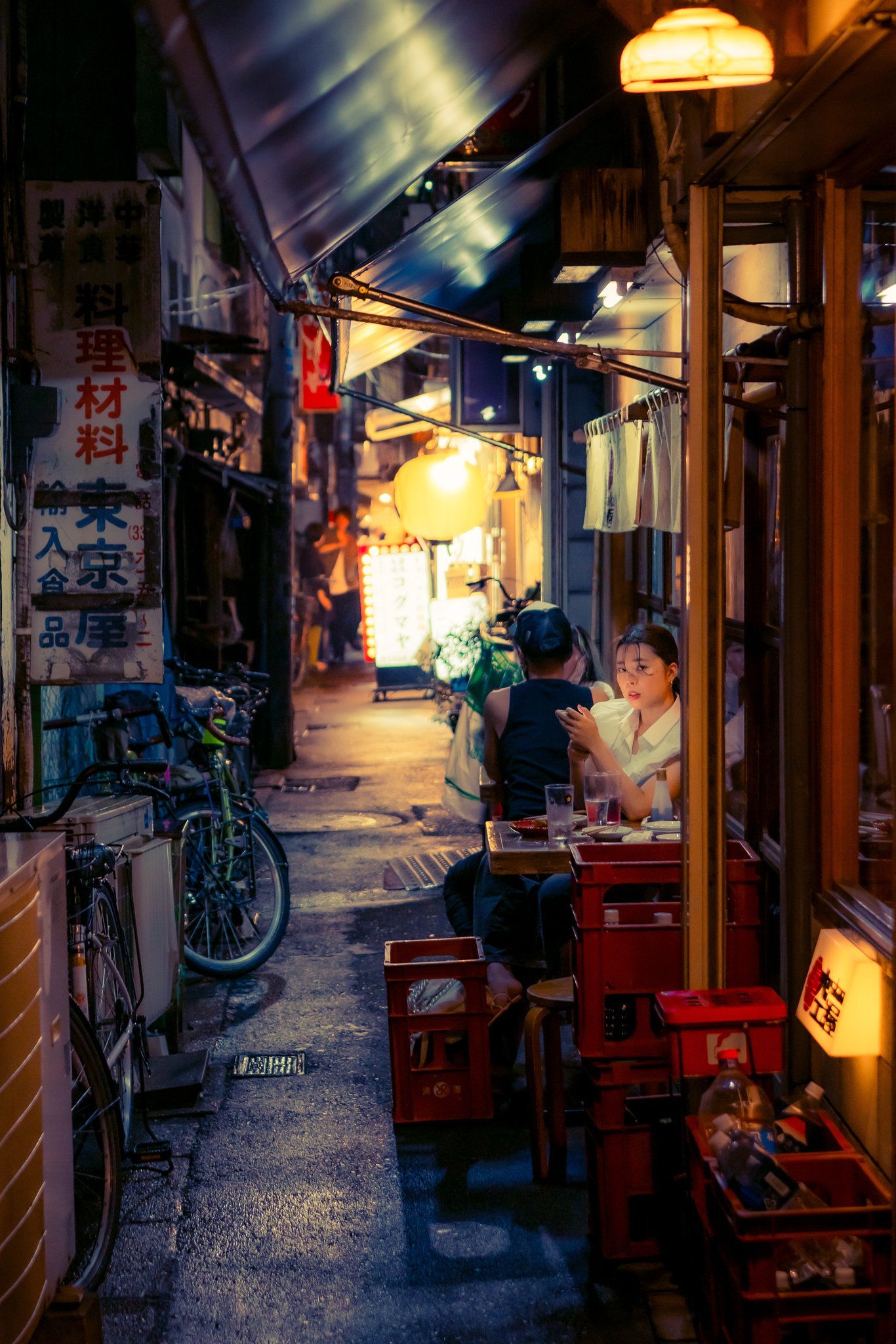
Solo dining specifically has none of the stigma it carries in a lot of Western cities. Small counter restaurants are frequently built around single diners rather than tables for two or four, and going out to eat alone at night is such an unremarkable part of Japanese life that nobody will glance at you twice for doing it.
The practical infrastructure backs this up in a dozen small ways. A rechargeable IC card (Suica or Pasmo) handles trains, buses, konbini purchases and most vending machines with a single tap, which means one less thing to think about when there's no travel partner to split logistics with. Coin lockers at almost every major station let you dump a bag for a few hours without needing anyone to watch it. Luggage forwarding services (takkyubin) will move a suitcase from one city to the next for a few thousand yen, so you're never dragging bags solo through a crowded platform because there's no one else to help carry them. None of this is marketed as solo-travel-friendly — it's just how the country runs — but it removes a lot of the small daily friction that makes traveling alone tiring elsewhere.
Where It Takes More Effort
The flip side is that some experiences are genuinely built around groups, and you'll notice the gap more traveling solo. Certain izakayas and all-you-can-drink deals assume a table of people splitting dishes; a lot of the social nightlife scene, particularly anything centered on drinking games or group izakaya culture, is harder to access alone by design. Some ryokan (traditional inns) charge a per-person rate that makes a solo stay proportionally more expensive than splitting a room, since the base price assumes at least two guests.
Language can also feel like more of a wall solo than it does with a travel companion to problem-solve with — there's no one to bounce a confusing menu or a train announcement off of. It's rarely an actual barrier given how much English signage exists in major cities and how good translation apps have gotten, but it can make small moments feel bigger than they are when you're navigating them alone.
A Few Things Worth Knowing
Booking accommodation solo is worth double-checking before you commit — some guesthouses and ryokan list a room rate that's actually a per-person rate once you dig into the fine print, so a "cheap" room can turn out to cost the same as a shared double would per person. Business hotel chains are usually the safer bet for solo travelers precisely because their pricing is per room regardless of occupancy, and single rooms are a normal, expected category rather than an afterthought. A pocket wifi rental or a local eSIM at the airport is worth the small cost too — being able to pull up a map or a translation app on the spot matters more when there's no one else's phone to fall back on.
Konbini deserve a special mention here. Beyond food, they function as an ATM network, a bill-payment counter, a print shop, and — genuinely — a decent barometer for how safe a neighbourhood feels at 2am, since a well-lit, well-staffed convenience store on nearly every corner means you're rarely more than a few minutes from bright lights and another person, wherever you are.
What I'd Actually Recommend
Lean into the parts of the city built for solitude instead of fighting for the parts built for groups. A long counter meal, a solo night walk through a neighbourhood with no particular plan, an early morning at a shrine before anyone else arrives — these aren't consolation prizes for traveling alone, they're often the better version of the experience precisely because there's no one to hurry you along or negotiate a compromise with. Some of the best photography I've ever done here has come from exactly that kind of unaccompanied wandering, moving at whatever pace the light demands rather than a group's collective patience.
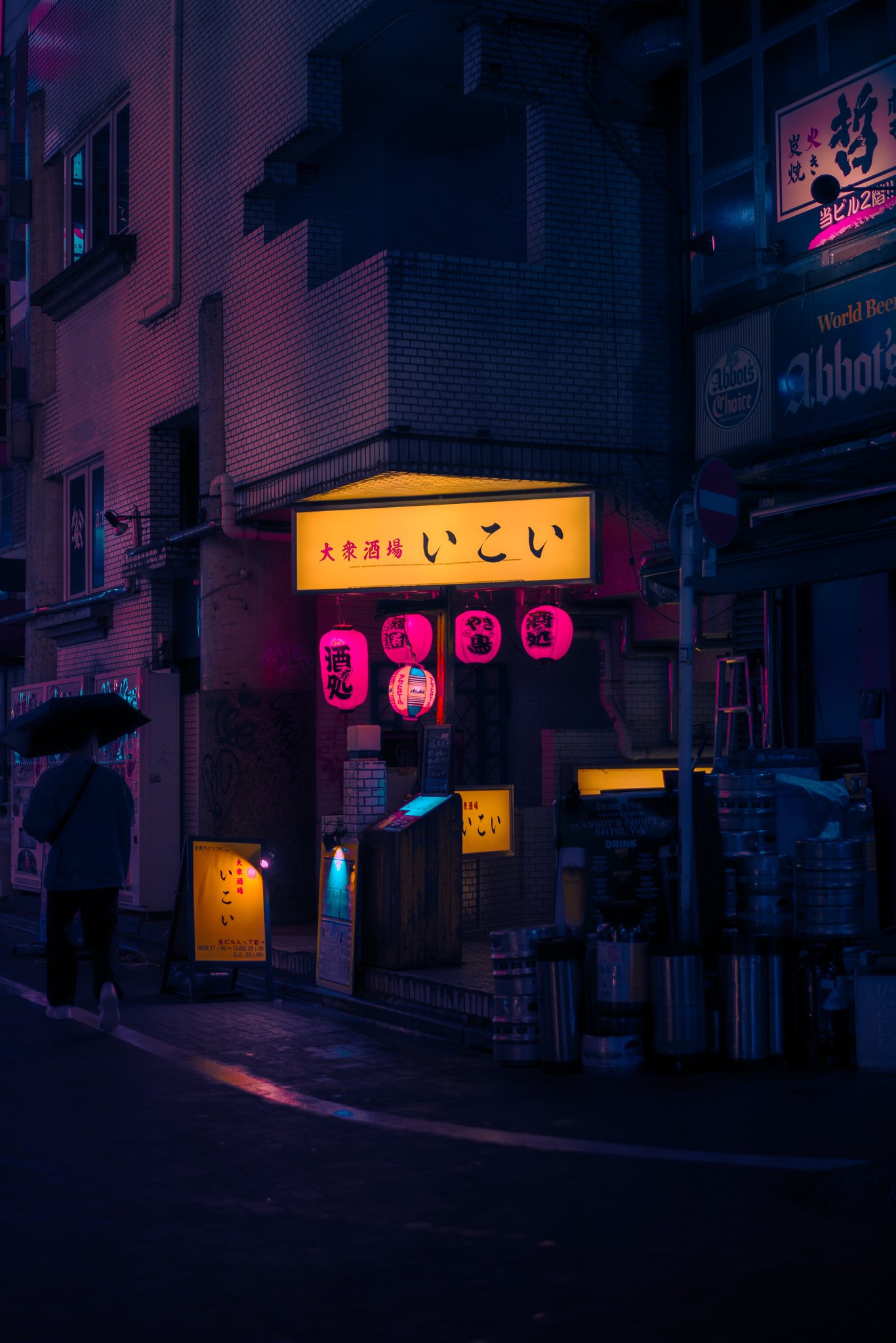
If you're on the fence about a solo Japan trip because you're worried it'll feel lonely or difficult: it's neither, more often than not. It's one of the few places where doing things by yourself doesn't read as a fallback plan. It's just how a lot of people here are already living.
Traveling solo and want a night out with someone who actually knows the city?
Book a Night Session in Tokyo →