

Everyone who moves to Tokyo has the same first week. You land, the neon hits harder than any photo prepared you for, you walk around at 11pm just to look at things, and you think: I could live here forever. Then the honeymoon ends somewhere around week three, usually while you're standing in a city ward office holding a form you can't read, and the actual work of moving to Tokyo starts.
Nobody posts about that part. Here's what it actually looks like.
The Paperwork Nobody Warns You About
Getting an apartment as a foreigner in Tokyo without a Japanese guarantor or a company backing your lease is harder than it should be, and it stays hard even once you've been here for years. Most agencies want a guarantor company, a hefty deposit, key money that doesn't come back, and proof of income that satisfies a system built around lifetime employment at one company — which describes almost nobody moving here from abroad. Expect to be rejected by buildings for reasons nobody states directly. Expect the whole process to take longer than the apartment-hunting shows made it look. This part gets easier with a foreigner-friendly agency and a lot easier once you've lived here long enough to have a track record, but the first apartment is always the hardest one.
Residency admin compounds it — the ward office, the health insurance enrollment, the My Number card, the bank account you can't open without an address you don't have yet because you can't get an apartment without a bank account. Everything requires something else you don't have yet. Budget more patience for this than you think you'll need, and don't take the bureaucracy personally. It's not designed against you specifically. It's just designed for a country that didn't expect this many people to be doing it.
The City Doesn't Open Up Immediately
Tokyo photographs like the friendliest, most alive city on earth, and at street level, at night, in a bar, it can feel exactly like that. But actually building a life here — friends, routines, a sense of belonging to a specific neighbourhood — takes longer than it does almost anywhere else I've lived. The language barrier is real even with functional Japanese. Social circles here, both Japanese and expat, tend to be established already by the time you arrive, and cracking into either takes consistent showing-up over months, not a single good night out.
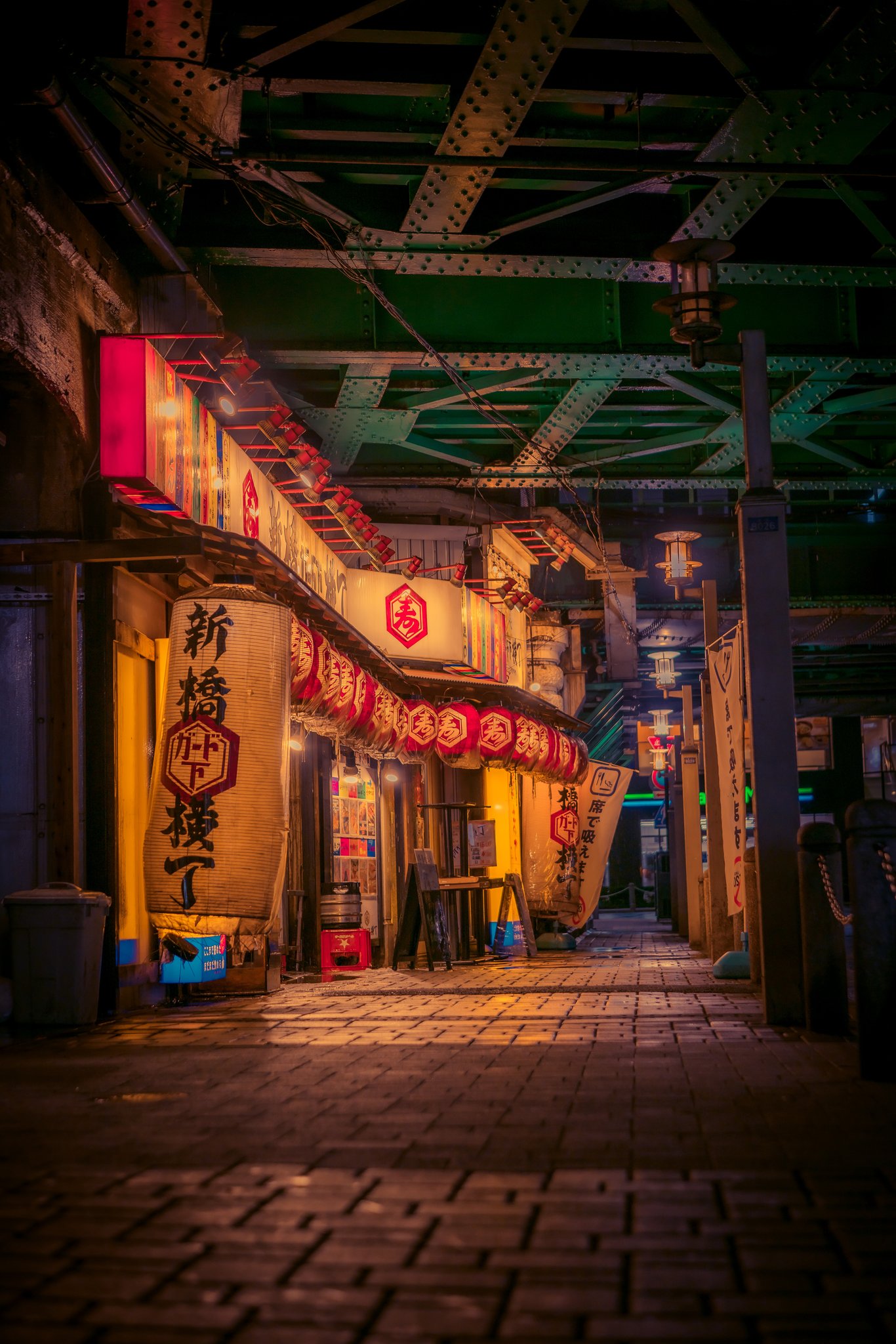
There's a specific kind of loneliness that shows up around month two or three — after the tourist high wears off, before the city has actually let you in. It's normal. It's not a sign you made a mistake. It's the gap between a place being visually incredible and a place actually knowing your name at the local izakaya, and that gap closes slower than you'd like but it does close.
The Ordinary Version Underneath the Neon
What eventually replaces the loneliness isn't more nights out — it's the boring stuff becoming familiar. Knowing which exit to use at the station. Having a convenience store clerk recognize your order. Finding an apartment with decent light and a fire escape you don't think twice about anymore, in a building that looks like every other building on the block instead of the postcard version of Tokyo you arrived chasing.
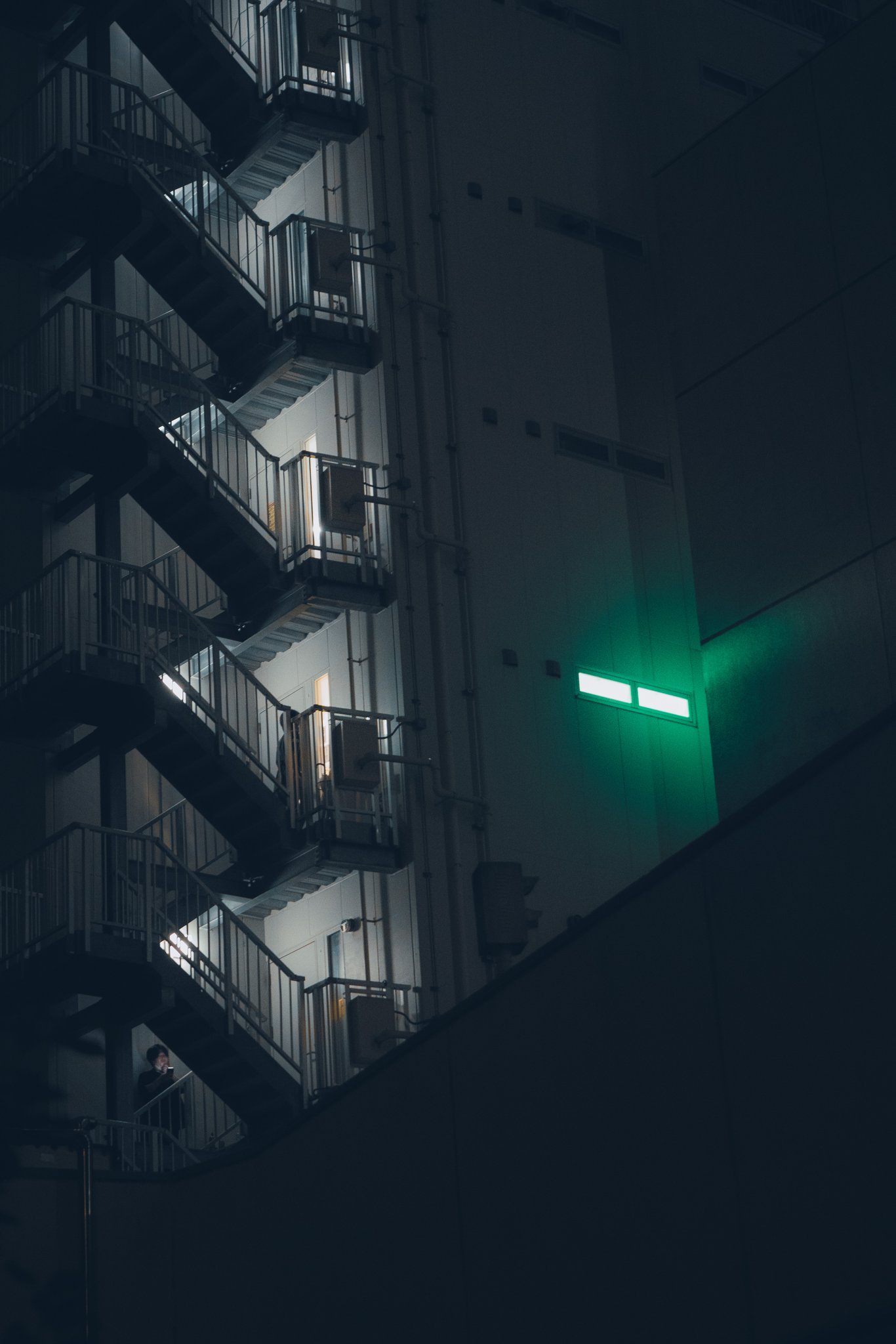
That's the actual texture of living here, and it's worth knowing about before you arrive so the ordinary stretch doesn't read as failure. The neon is real. So is everything underneath it — the ward office lines, the guarantor forms, the quiet months. Both versions are Tokyo. You need the second one to actually get to stay for the first.
What I'd Tell Someone Moving Here
Give it six months before you judge whether it's working. The apartment hunt will be worse than you expect and then irrelevant within a year. The loneliness is a phase, not a verdict. And the neon you moved here for doesn't go away once the practical stuff sorts itself out — if anything, it means more once you're not just visiting it.
Want a session that captures your version of this city?
Book a Night Session in Tokyo →