
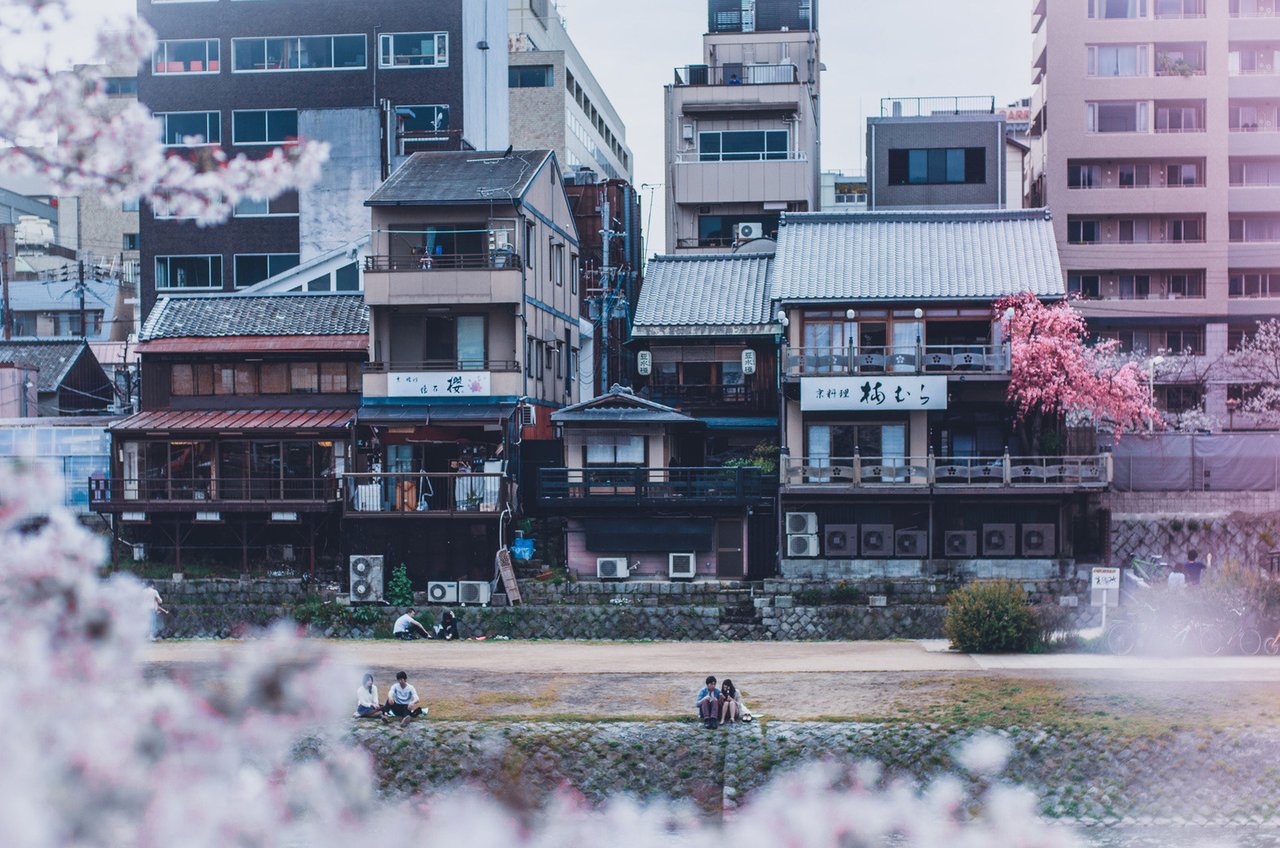
Let me be clear upfront: the popular spots in Kyoto are popular for a reason. Fushimi Inari, Arashiyama, Kinkaku-ji — the history and architecture are genuinely extraordinary, and you should see them. This isn't a post telling you to skip the classics. It's a post suggesting you leave room for everything else.
Because Kyoto has layers. The version in the guidebooks is real and worth your time. But there's another version, quieter and more local, that most visitors never reach — not because it's hidden exactly, but because it requires slowing down.
The Kamogawa Riverbank
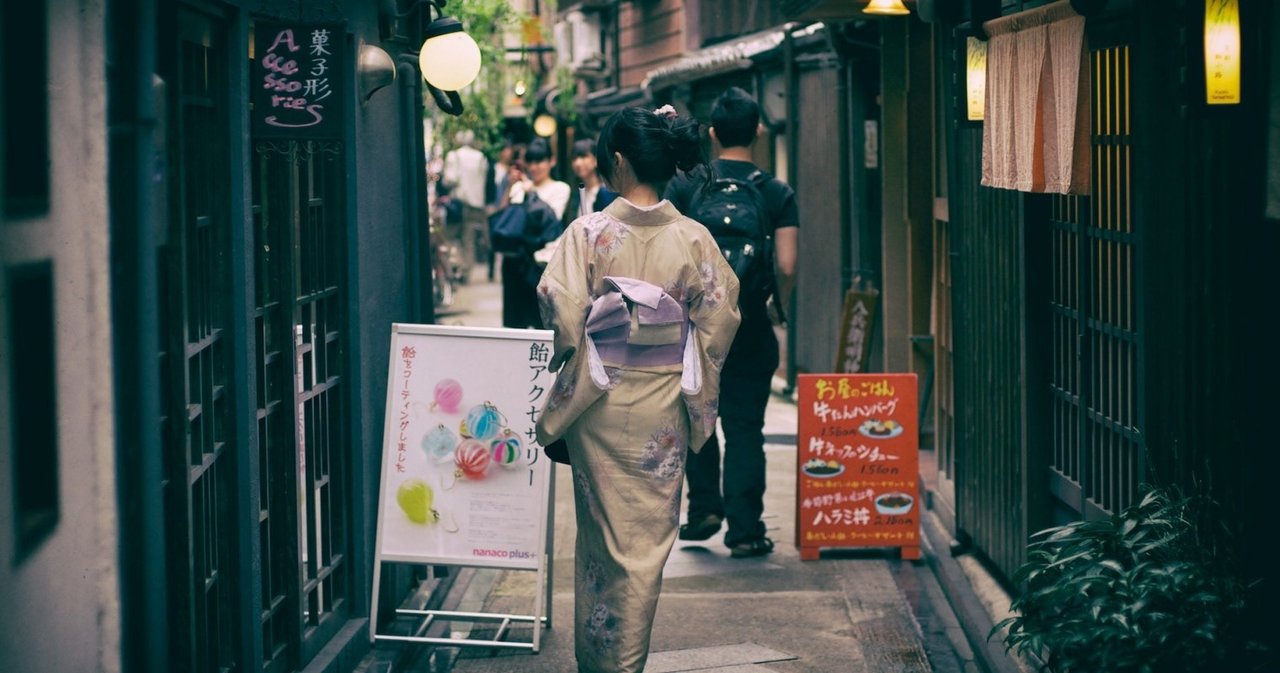
On a warm evening, Kyoto locals line the banks of the Kamogawa — the name literally means "duck river" — and just sit. Students, families, couples, older people alone with a drink. They bring convenience store beers and snacks, let their legs dangle over the edge, and watch the river. The ducks are real. The atmosphere is the most relaxed thing I've encountered in Japan, which is saying something.
One of the genuinely good things about being in Japan is that drinking outdoors is legal and socially normal. So pick up a cold Suntory from a convenience store, grab a couple of onigiri, and sit with everyone else. Nobody will bother you. You'll feel, briefly, like you actually live here.
Pontocho at Night
Everyone ends up in Pontocho eventually, and most of them wonder why it feels like a tourist trap. The answer is that they're on the wrong street. The main drag near Kawaramachi Sanjo is where the tourist restaurants are — overpriced menus in four languages, staff outside waving people in.
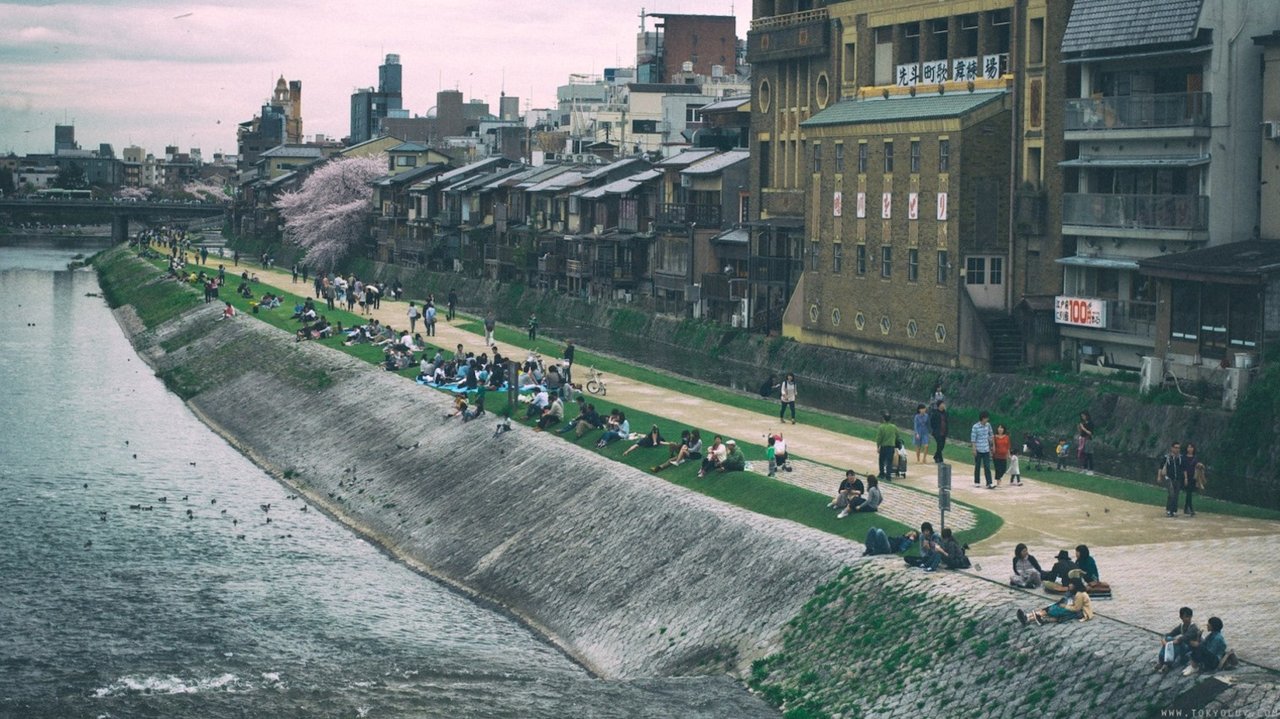
The trick is to drift away from that main road and into the smaller alleys on the edges. A simple rule: the narrower the alley, the better what you'll find at the end of it. Look for places that specialize in one thing — a restaurant that only does yakitori, one that only does tofu, one that only does grilled fish. These places are almost always cheaper, more local, and significantly more delicious than anywhere with a multilingual menu.
The izakayas here are small enough that talking to strangers happens naturally. Don't avoid it. People are used to visitors, and a conversation started over sake is one of the better ways to spend an evening in Kyoto.
Get a Bike
Renting a bike changes your entire relationship with the city. Google Maps works perfectly for navigation, you can ride legally on sidewalks in Japan (be polite about it — slow down, use your bell), and you cover the ground between temples and neighbourhoods without waiting for buses or paying for taxis.
Most hotels offer bike rentals, sometimes included in the room rate. Ask at check-in. A day on a bike in Kyoto, with no particular plan, will take you places you wouldn't otherwise reach — and some of them will be the best part of your trip.
The Balance
Don't overcorrect. The instinct to avoid everything popular because it's popular is its own kind of trap, and Kyoto's major sites have earned their reputation over centuries. See them. Just make sure you're also leaving gaps in your itinerary — time to follow a street because it looks interesting, to sit by the river without going anywhere, to find a restaurant because it smells good rather than because it appeared on a list.
Kyoto rewards attention. Pay it.
Visiting Japan and want portraits to remember it by?
Book a Session in Tokyo →