
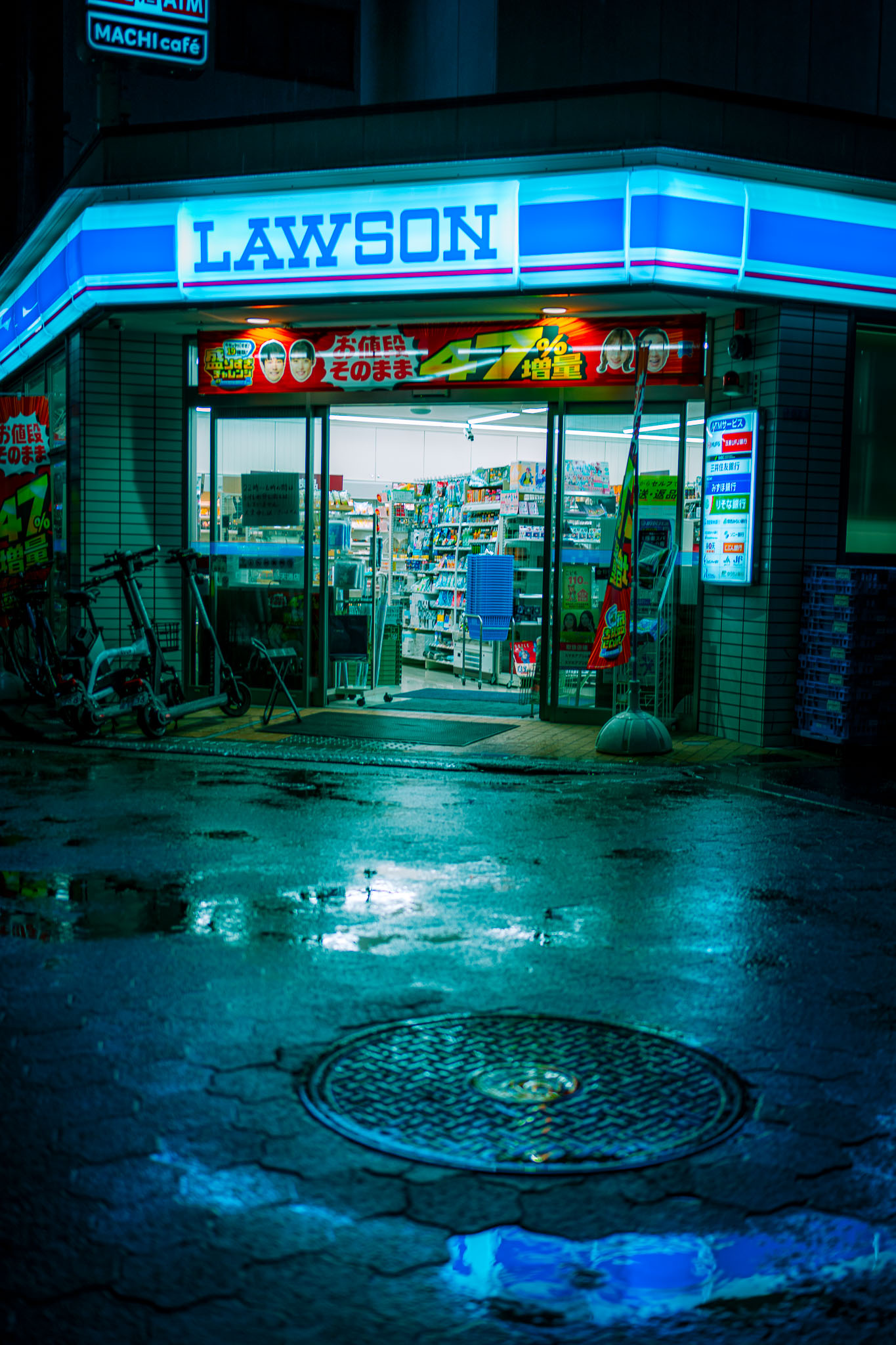
Every country has a version of the gas station snack aisle, and almost everywhere else, it's a compromise — something you eat because nothing better is open, not because it's good. Japan broke that rule so thoroughly that "getting food at the konbini" isn't a fallback plan here, it's a legitimate answer to "where should we eat." I've shot enough overnight sessions to have tested most of what Lawson, 7-Eleven, and FamilyMart put out at 2am, and the quality genuinely holds up against actual restaurants more often than it should.
The Onigiri Wall
Start with the obvious one. A wall of triangle-shaped rice balls wrapped in a way that keeps the seaweed crisp until the second you open it — a small mechanical trick that took me an embarrassingly long time to figure out the first time I tried. Salmon and mentaiko (spicy cod roe) are the reliable picks; tuna mayo is the one that converts skeptics. At around 150 yen each, buying four of these and calling it dinner is not a compromise, it's a strategy.
The Fried Chicken That Shouldn't Work This Well
Convenience store fried chicken should be bad. It sits under a heat lamp, it's mass-produced, it costs less than a coffee. Lawson's karaage-kun and the various fried chicken options at FamilyMart and 7-Eleven are, somehow, consistently good — crisp exterior, actually juicy inside, seasoned properly rather than just salted. It's the item I'm most confident recommending to someone visiting who's skeptical that any of this is worth the hype.

Egg Sando: The Unlikely Champion
The convenience store egg salad sandwich — crustless white bread, a thick layer of egg salad with a very specific soft-boiled-yolk creaminess — has developed something close to a cult following outside Japan, and it earns it. It shouldn't be this good. It's egg salad on white bread. But the texture of the bread, the ratio of egg to mayo, and something about the seasoning add up to more than the sum of the parts. Seven-Eleven's version tends to get singled out most often, but the differences between chains here are smaller than the internet arguments about them suggest.
The Seasonal Stuff Is Worth Chasing
What keeps konbini food interesting long-term is how aggressively it rotates. Sakura-flavored everything in spring, distinct oden broths in winter, a rotating cast of limited-edition snack collaborations that show up for six weeks and disappear. Locals check what's new at the konbini the way people elsewhere check a restaurant's specials board. If something looks like a seasonal or limited release, it's usually worth trying once purely because it won't be there in a month.
What's Overrated
The famous convenience store coffee machines are fine, not remarkable — drinkable, cheap, better than nothing, but not a reason to go out of your way. And the pre-made pasta and heavier hot food options are the weakest category; they exist mostly for people who need calories fast, not people chasing a good meal. Know what to skip and the konbini stops being a compromise entirely.
Why It Matters More Than It Should
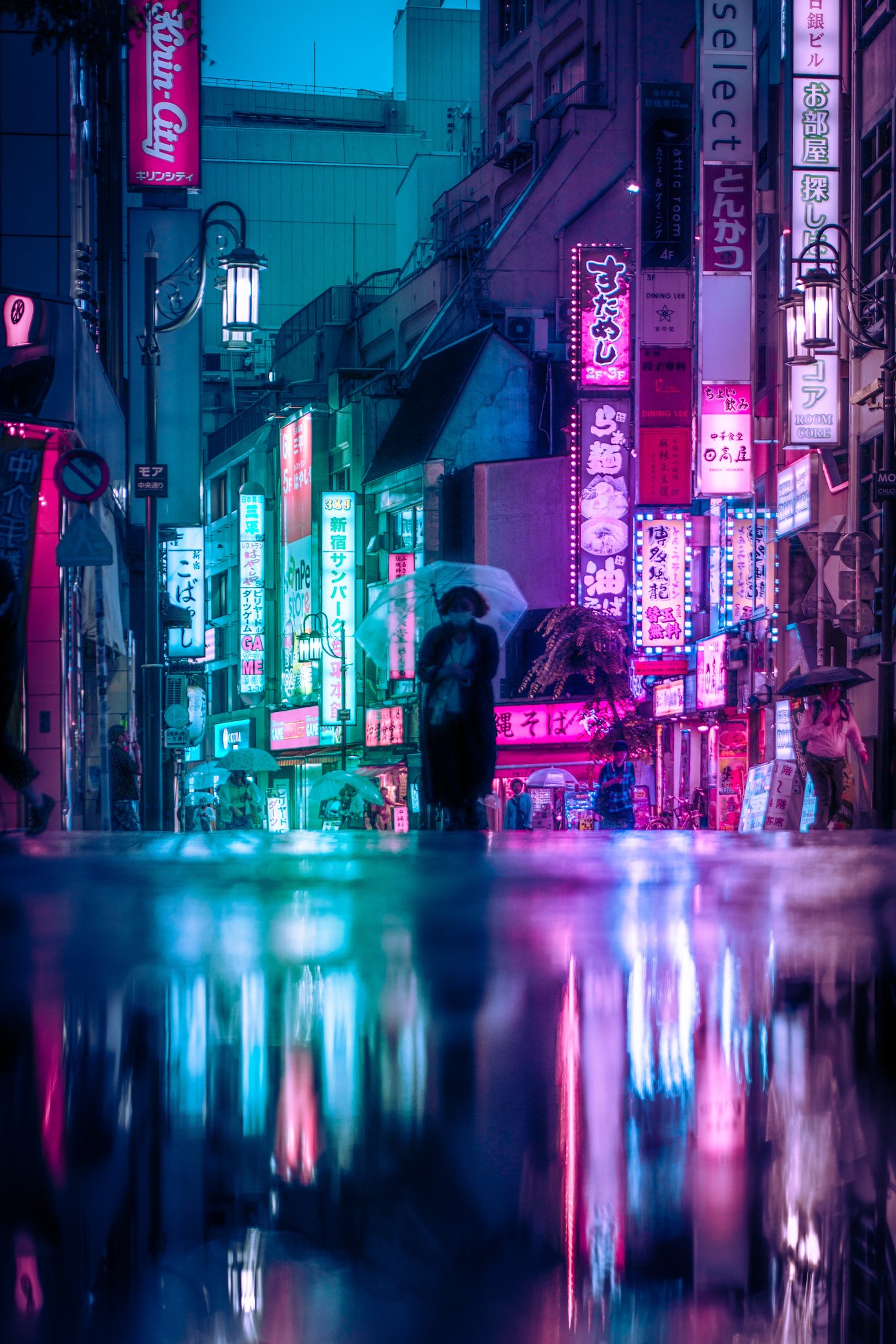
A good chunk of my actual working life happens between 11pm and 4am, and the konbini is the one constant across every neighbourhood I shoot in — same bright fluorescent light, same reliable onigiri wall, same feeling of a small warm room in the middle of an otherwise empty street. It's not romantic. It's also one of the more dependable good things about doing this job at the hours I do it, and after enough nights, that starts to feel like something worth writing about honestly instead of ironically.
Want to see Tokyo at the hours the konbini runs are made for?
Book a Night Session in Tokyo →