
Mikado's Takadanobaba location is the famous one — the one with the beatmania machines and the Virtual On cabs and the checkered floor and the weight of two decades of arcade preservation history behind it. I wrote about it separately. The Ikebukuro branch, ゲーセン ミカド in ランブルプラザ, is different. Not lesser, just different. I went to Takadanobaba first on the same day, walked through, then got on the Yamanote and went to Ikebukuro. Same afternoon, same phone, same no-plan approach.
The 3rd Strike Row
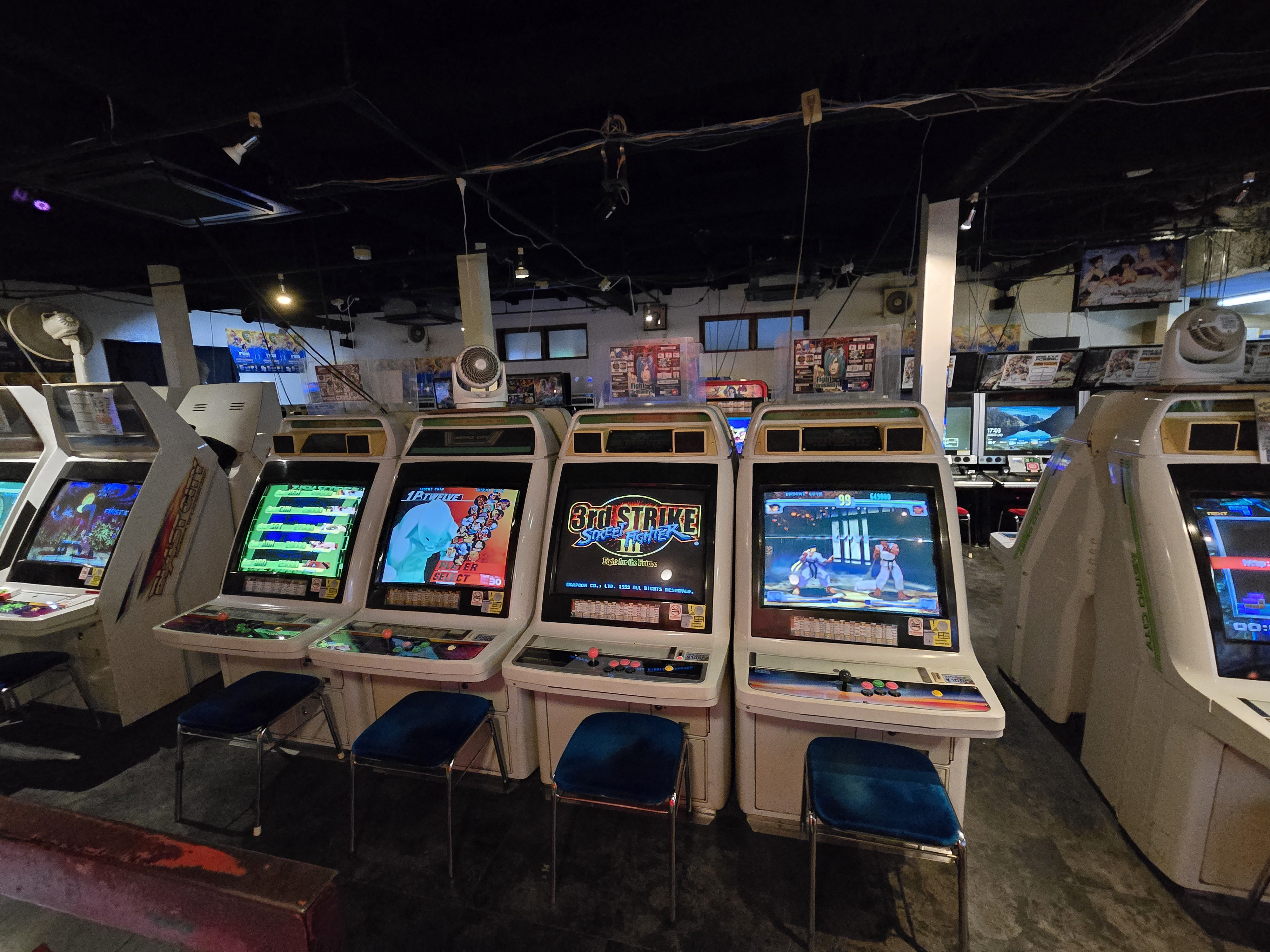
Street Fighter III: 3rd Strike, a row of white candy cabinets with CRT screens, all working. This is what the Ikebukuro Mikado is known for and it's the first thing you see when you walk in. The cabinets are original hardware running the original board — not an emulator, not a JAMMA conversion, the actual hardware Capcom shipped in 1999. The CRT screens are the limiting factor now; they age out faster than everything else. Mikado has them running.
3rd Strike is still played competitively. It has an active community in Japan, regular tournaments, dedicated players who have been playing it for twenty-five years. That community comes here, in part, because the hardware is here. A row like this — multiple linked cabs, original boards, maintained — is not something you find easily anymore.
The Older Section
Past the main fighting game floor, the catalog gets older and more eclectic. The selection is less curated than Takadanobaba — more accumulated, things that ended up here over time and stayed.
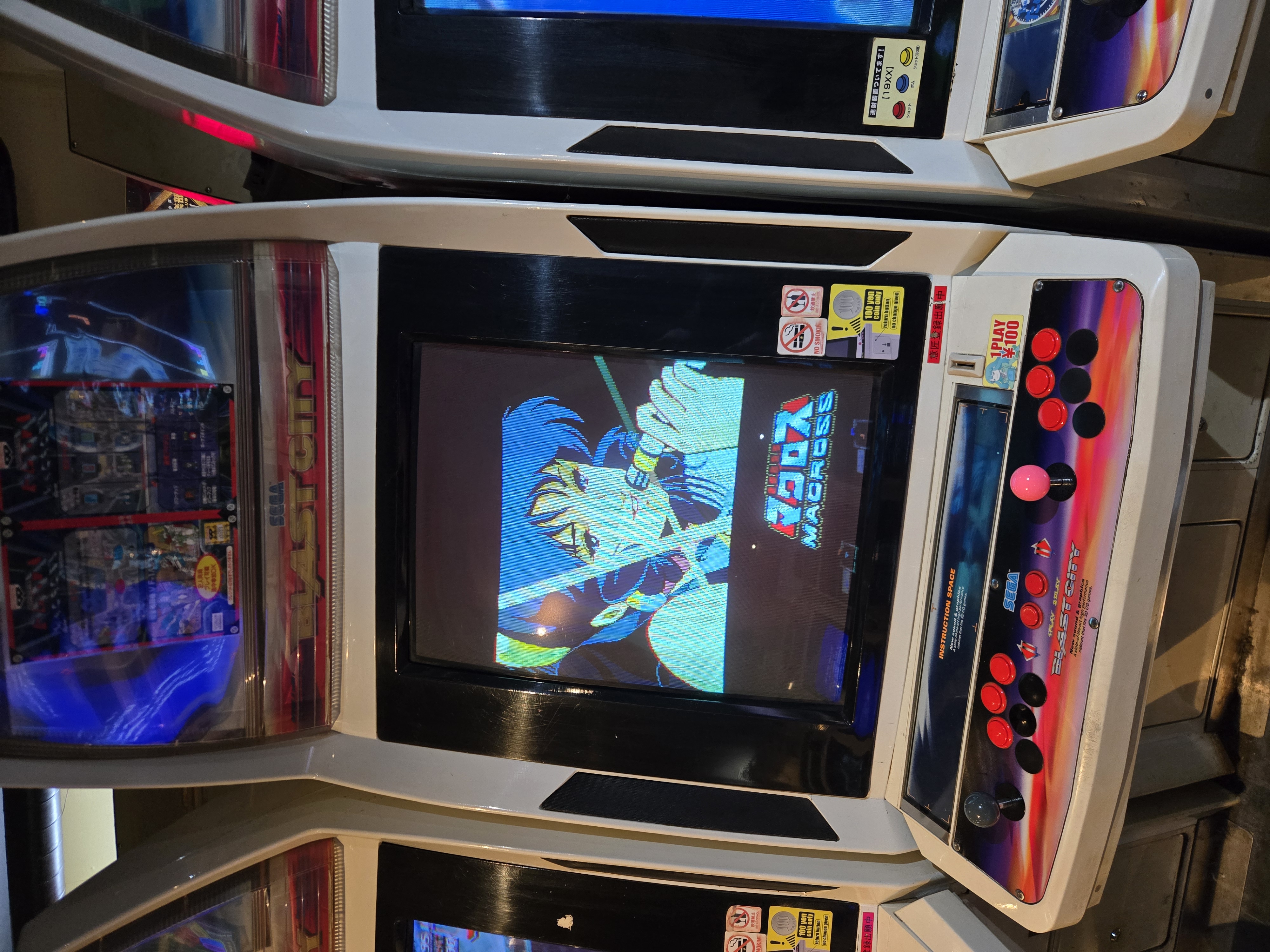
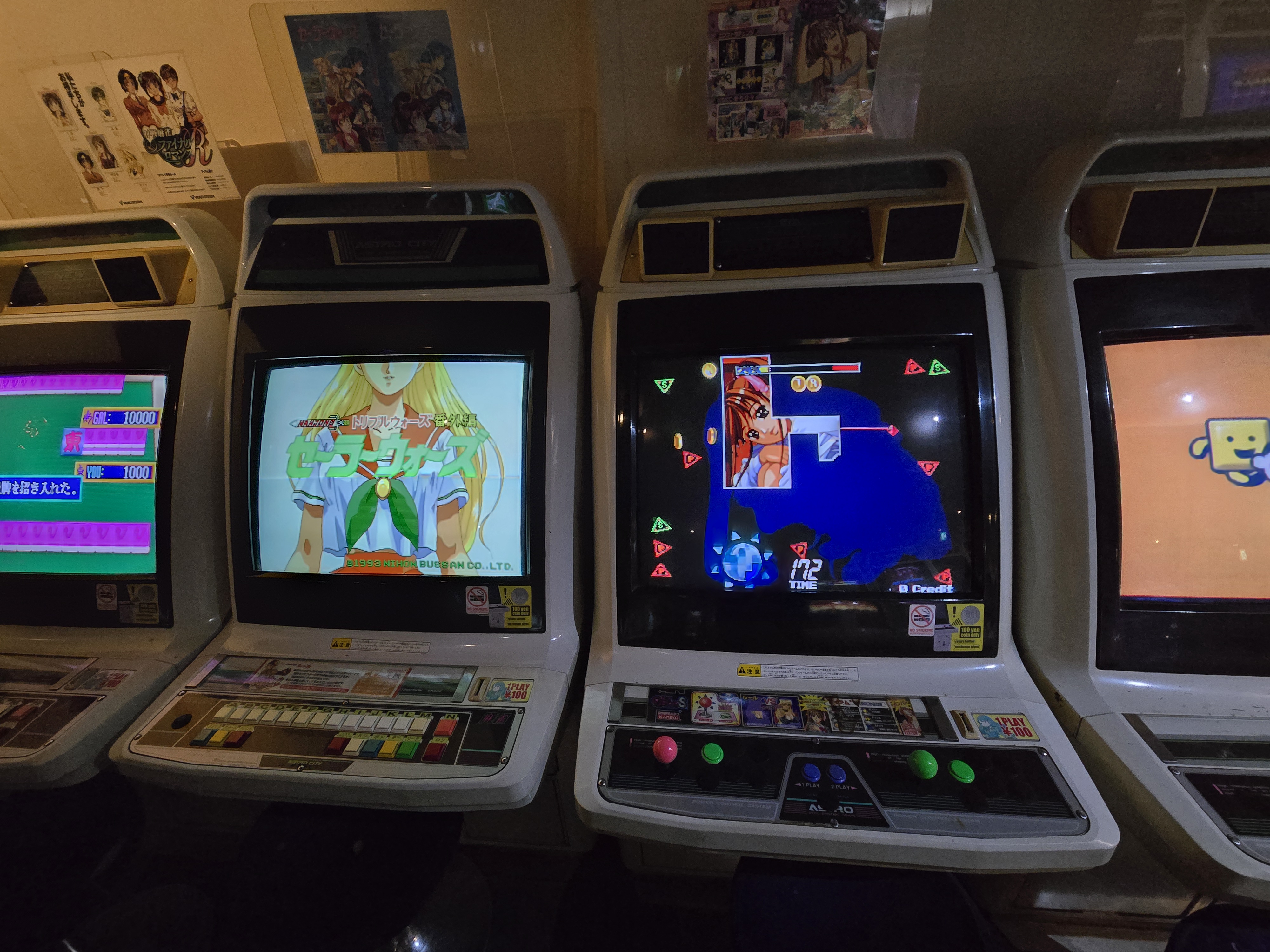
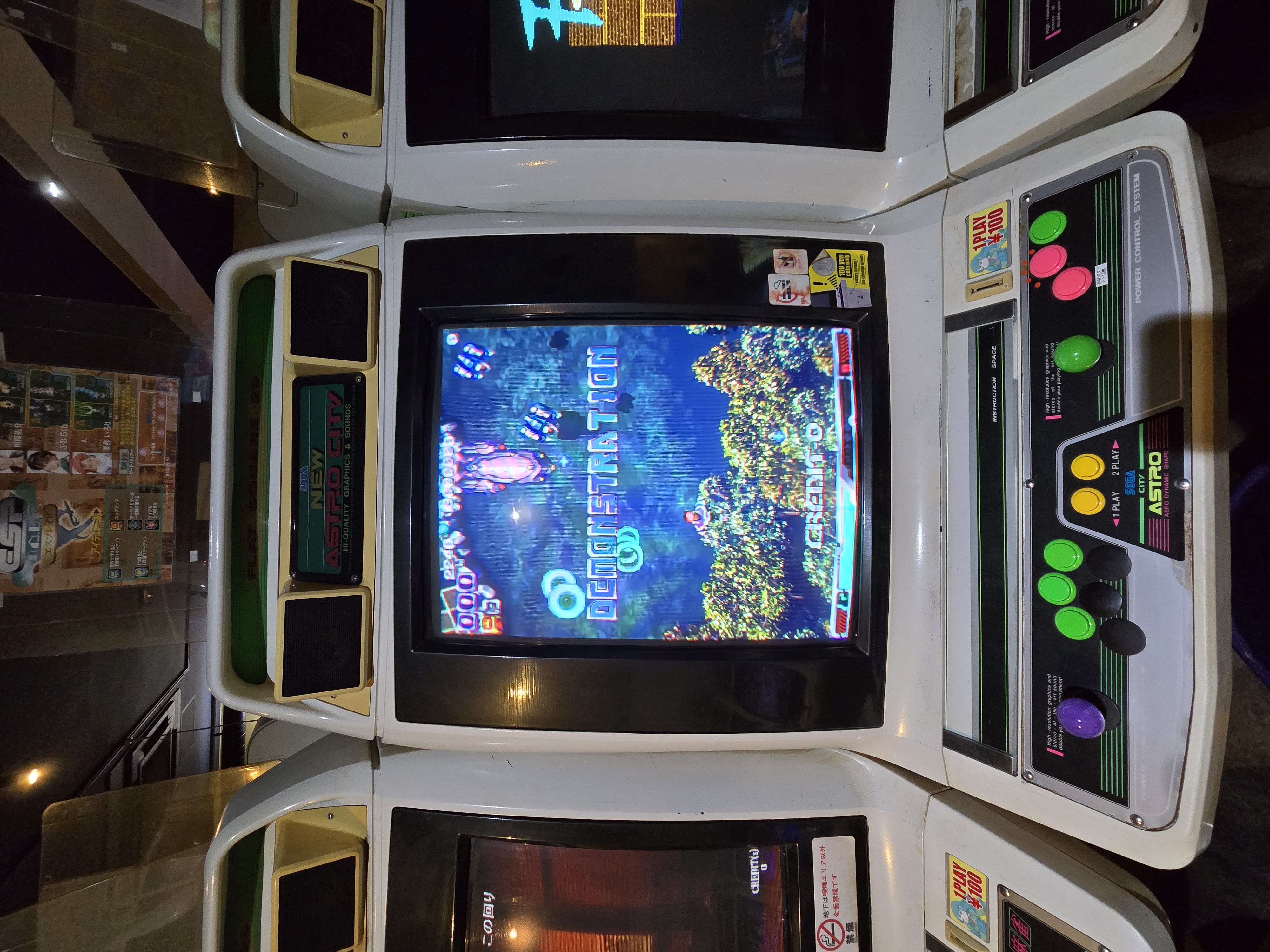
A vertical shooter on an Astro City cab, running through its attract loop. Something that looked like a late-'90s Bussan visual novel. What I think was an SNK fighter I couldn't immediately place. A chibi-art character game I didn't recognize at all. The attract loops on old hardware are their own kind of ambient media — you can stand there for a few minutes watching the machine try to get your attention and it's completely fine not to put a coin in.
The Racing Section
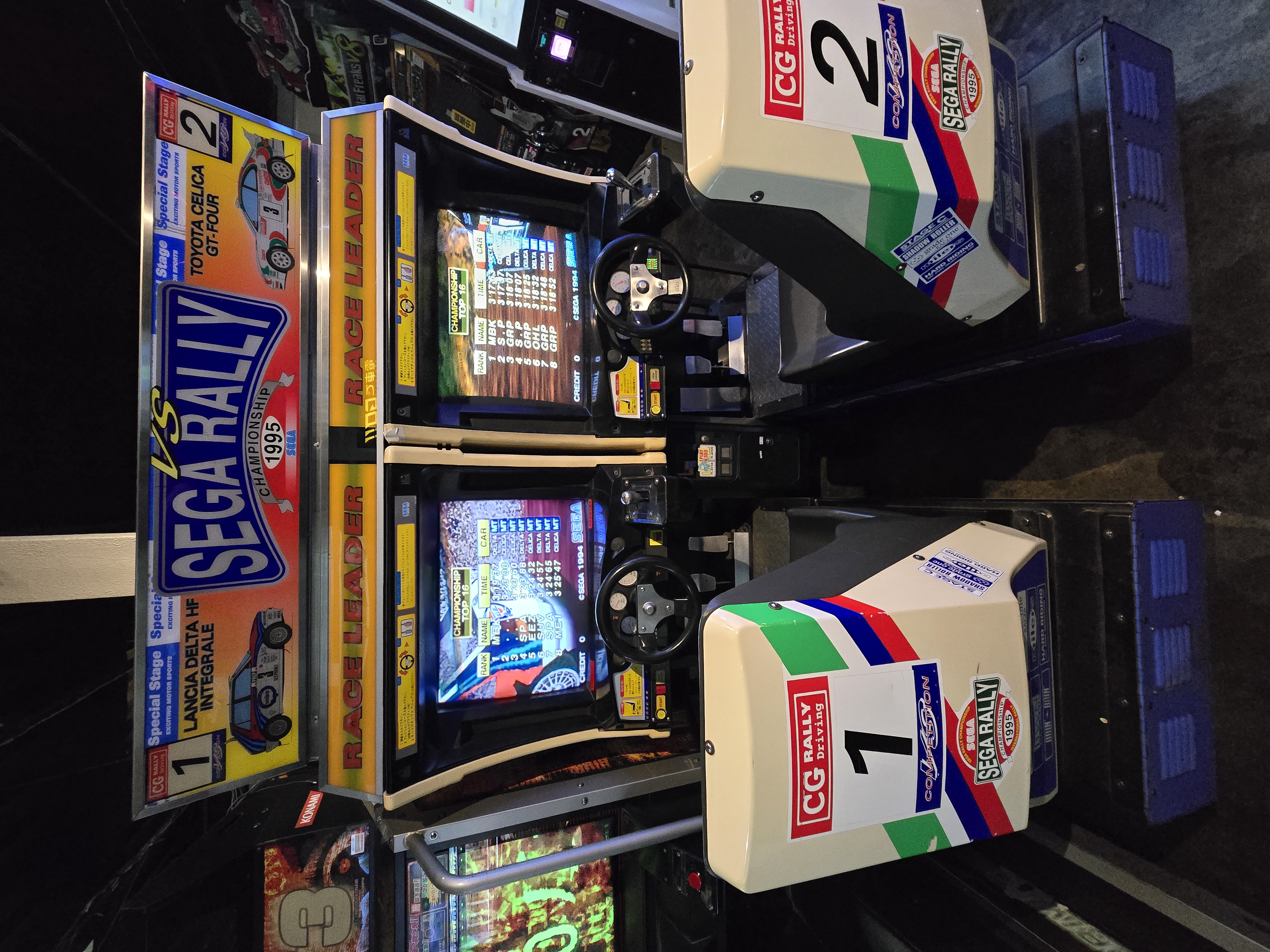
Sega Rally CG from 1995 — two linked seats, the steering wheels worn smooth at the grips, the screen running the course select on its attract cycle. CG stood for Computer Graphics, which was a meaningful claim in 1995 when the polygon count on this machine was beyond what any home console could manage. It's not a meaningful claim in 2026. The cabinet is still here, still playable, still physically the thing it was.
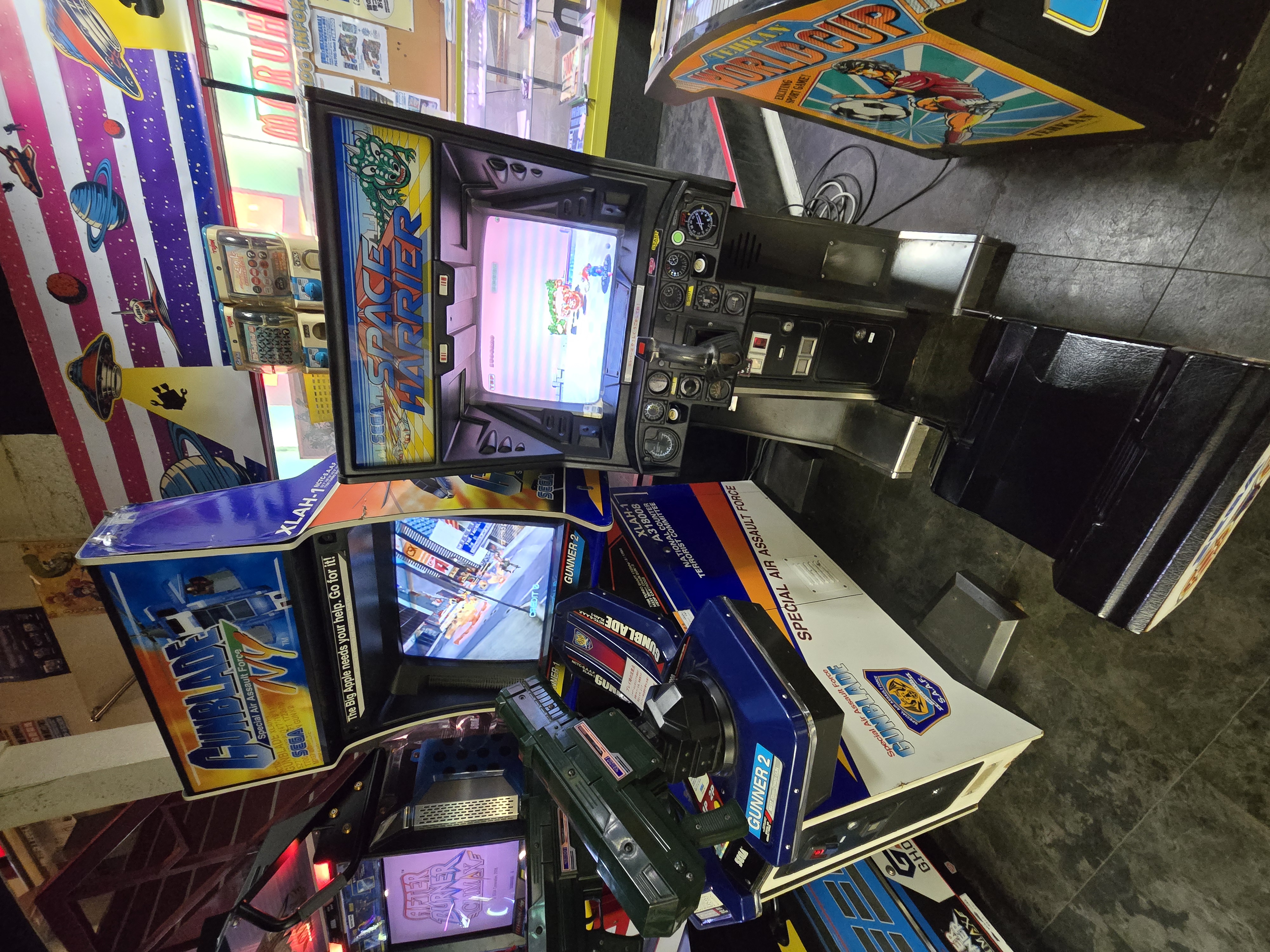
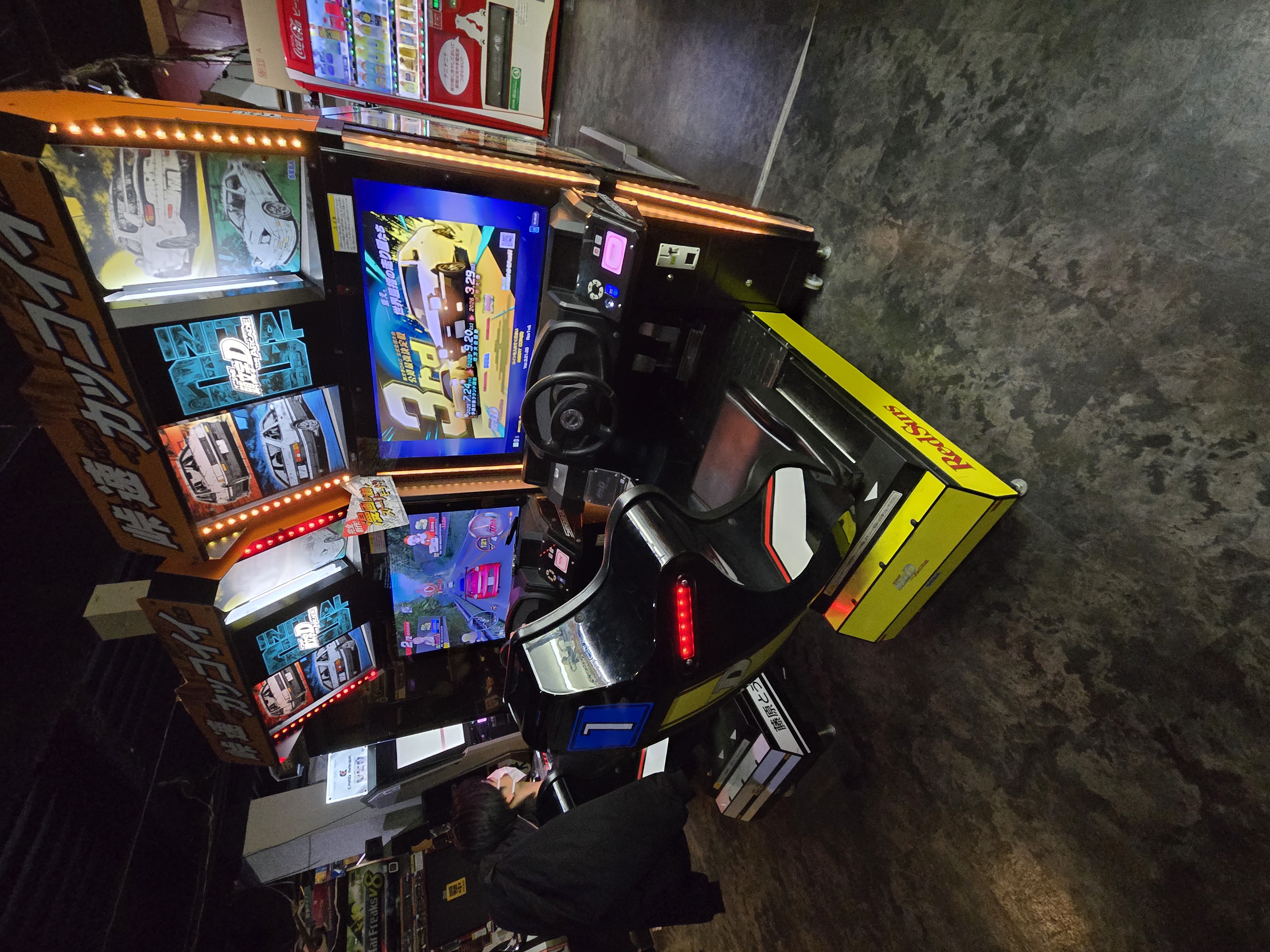
Wangan Midnight is around the corner. Someone was playing when I walked through — sitting in total focused silence, doing highway laps. I photographed them from above without interrupting. They didn't look up.
The Odder Finds
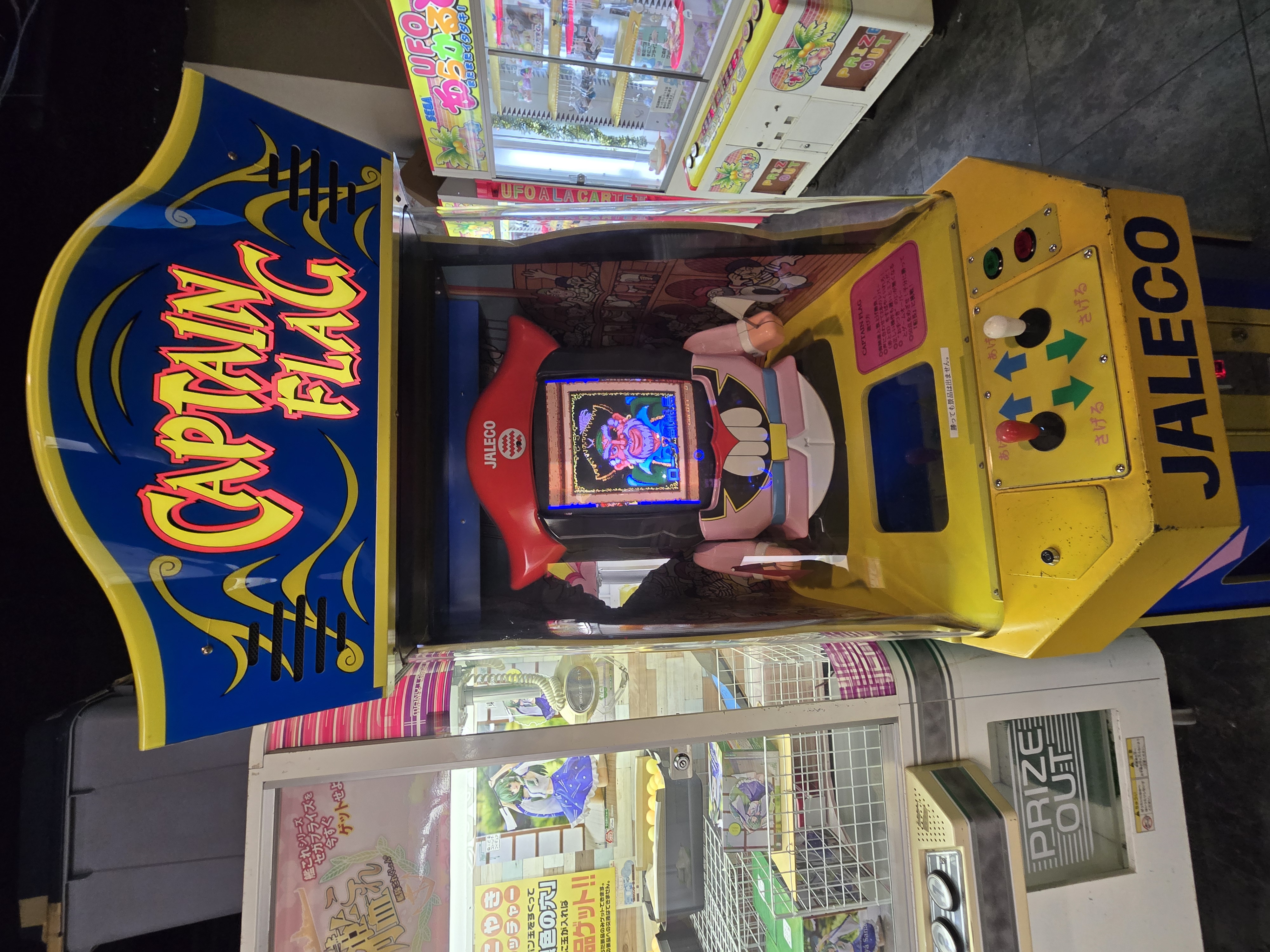
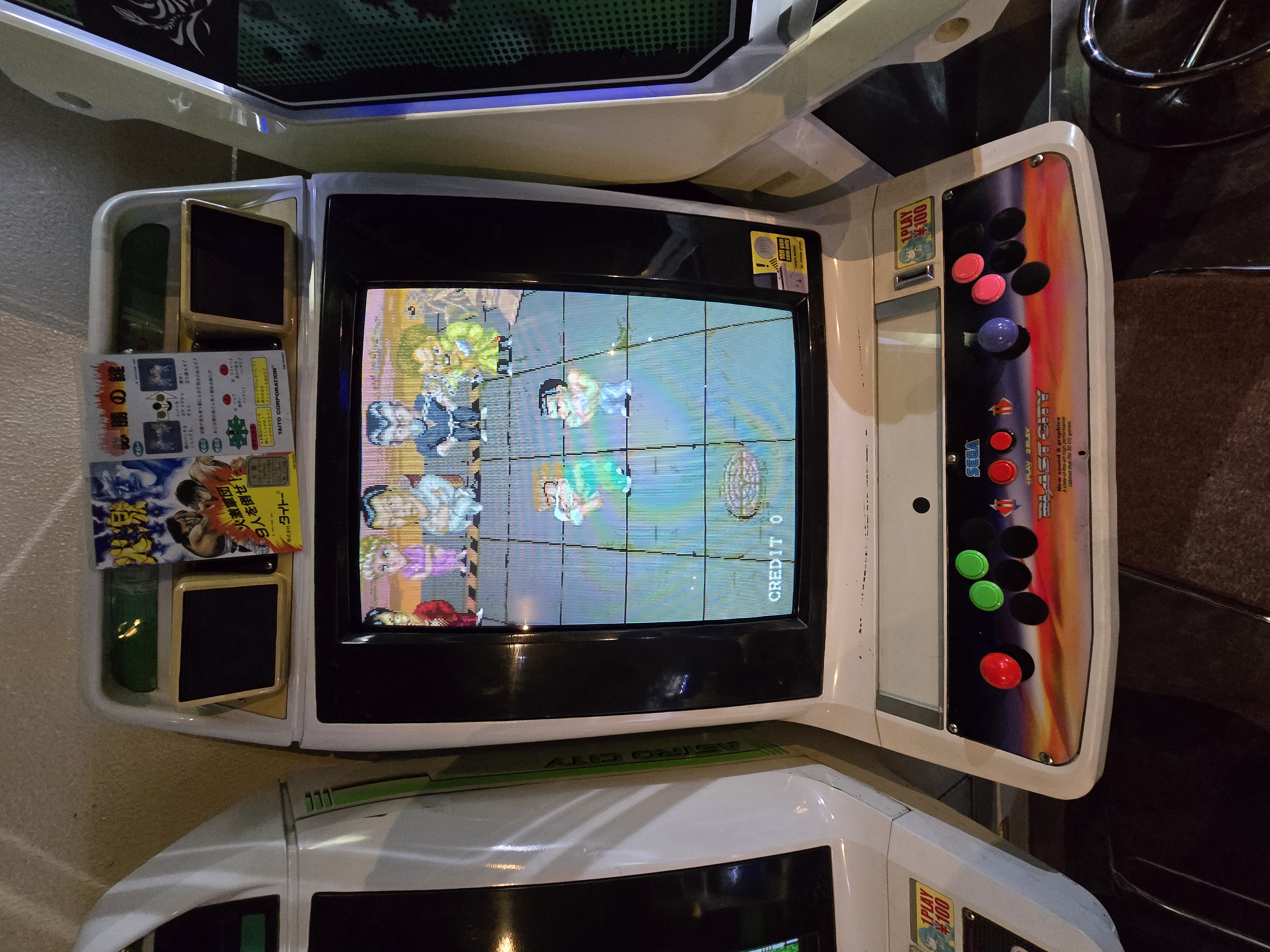
Captain Flag by Jaleco. A yellow cocktail cabinet from the early '80s — not a reproduction, the original unit — with a joystick and two buttons and paint that has held up better than it has any right to. I photographed it mostly because of the yellow. It has no business being functional in 2026 and yet here it is, in Rumble Plaza, working.
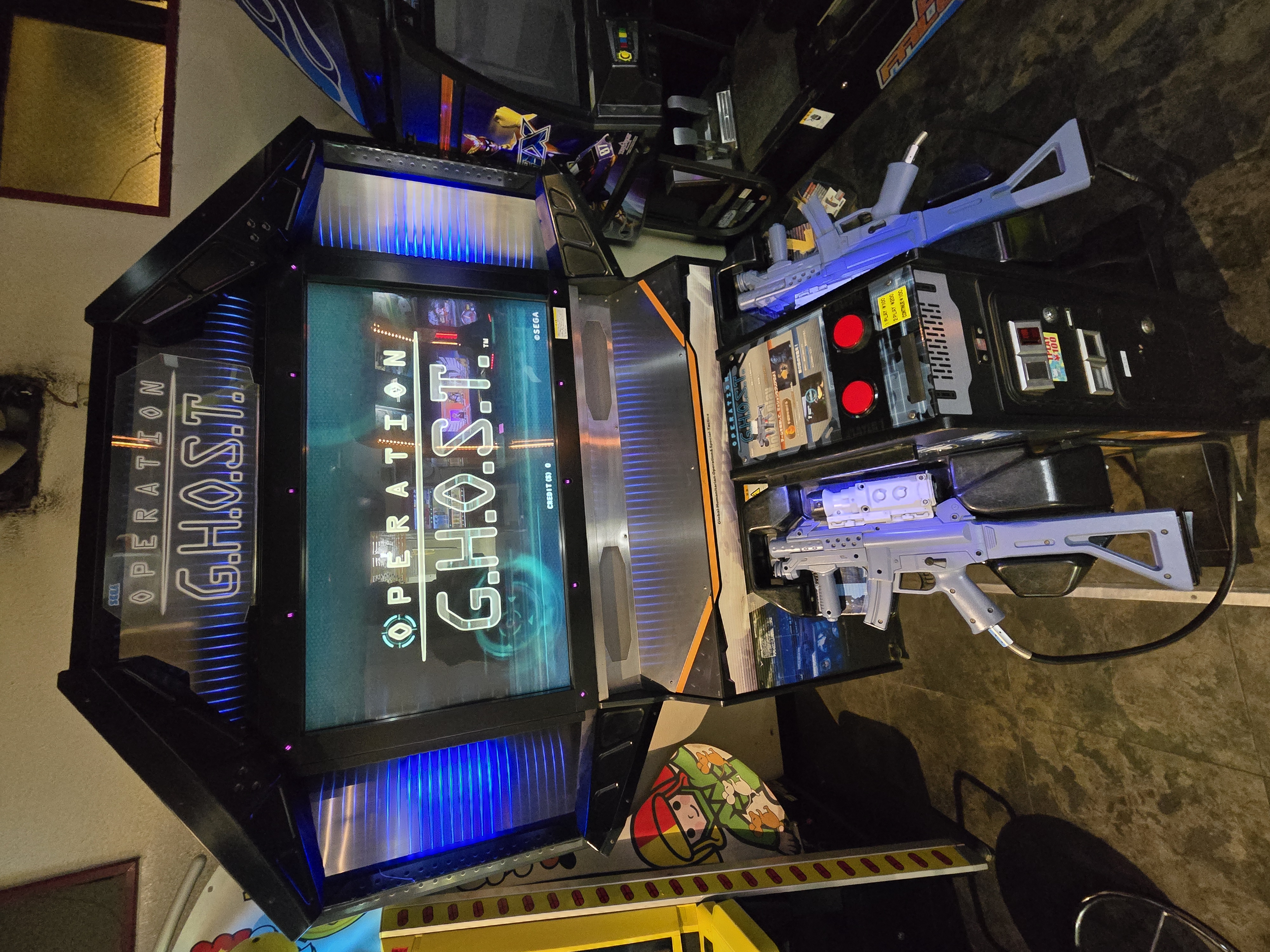
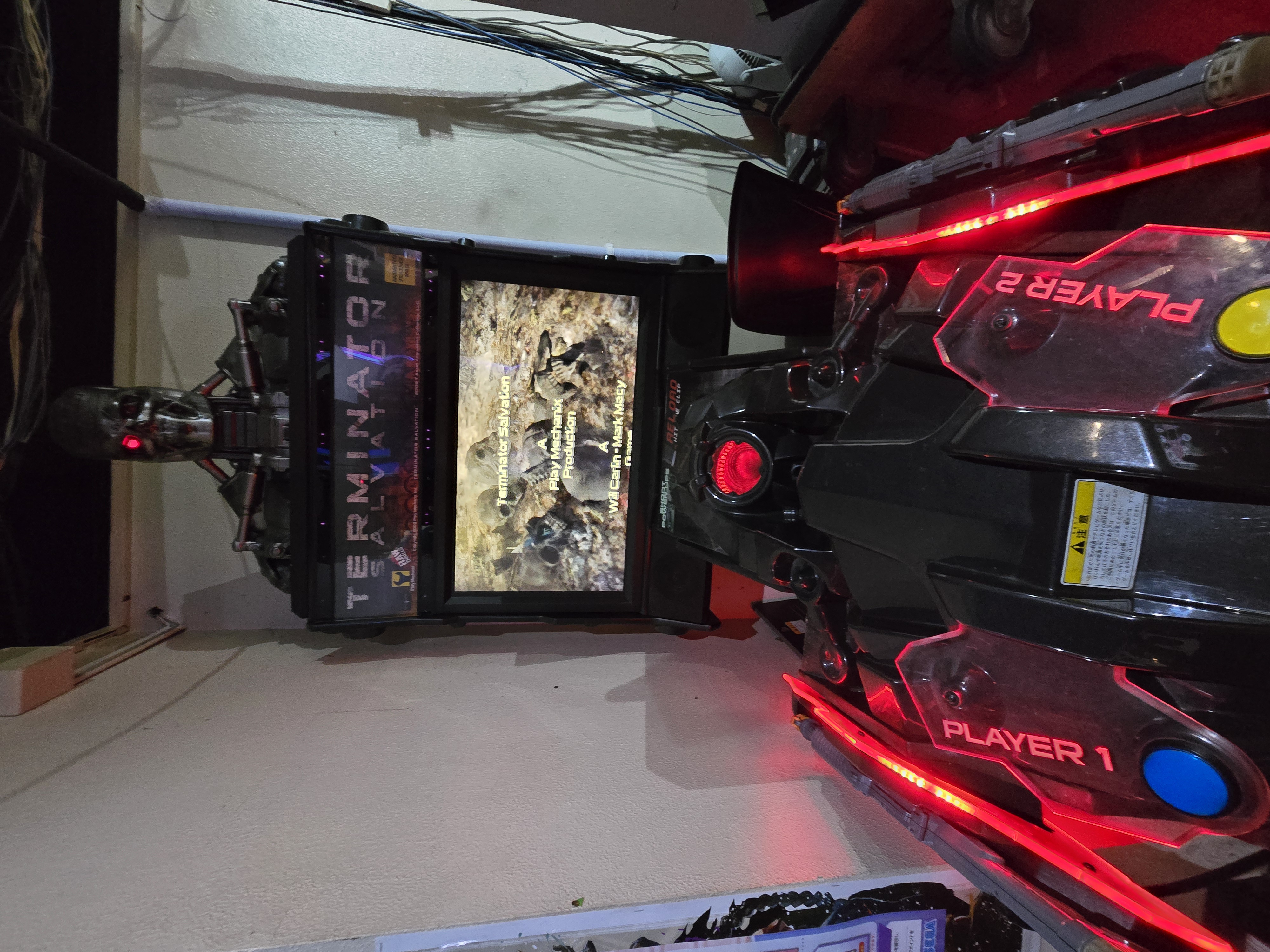
Operation G.H.O.S.T. is here — the light gun cabinet with blue LED strip lighting, the plastic guns hanging at the sides. Functional, lit, waiting for someone to put ¥100 in. Toward the back, Terminator Salvation with the red LED lighting that turns the surrounding area dramatic regardless of time of day. It's physically big and dark and lit from below and it looks like something from a set dressing budget that got installed in an arcade and never left.
The Merchandise Corner
Separate from the game floor, toward the back of the Ikebukuro branch, there's a small second-hand merchandise area. Red shelving with Dragon Quest Slime figures, Dragonball statues, collectible boxes — the kind of stock you'd find in the back floors of Nakano Broadway or the side streets of Akihabara, compressed into a few shelves here.
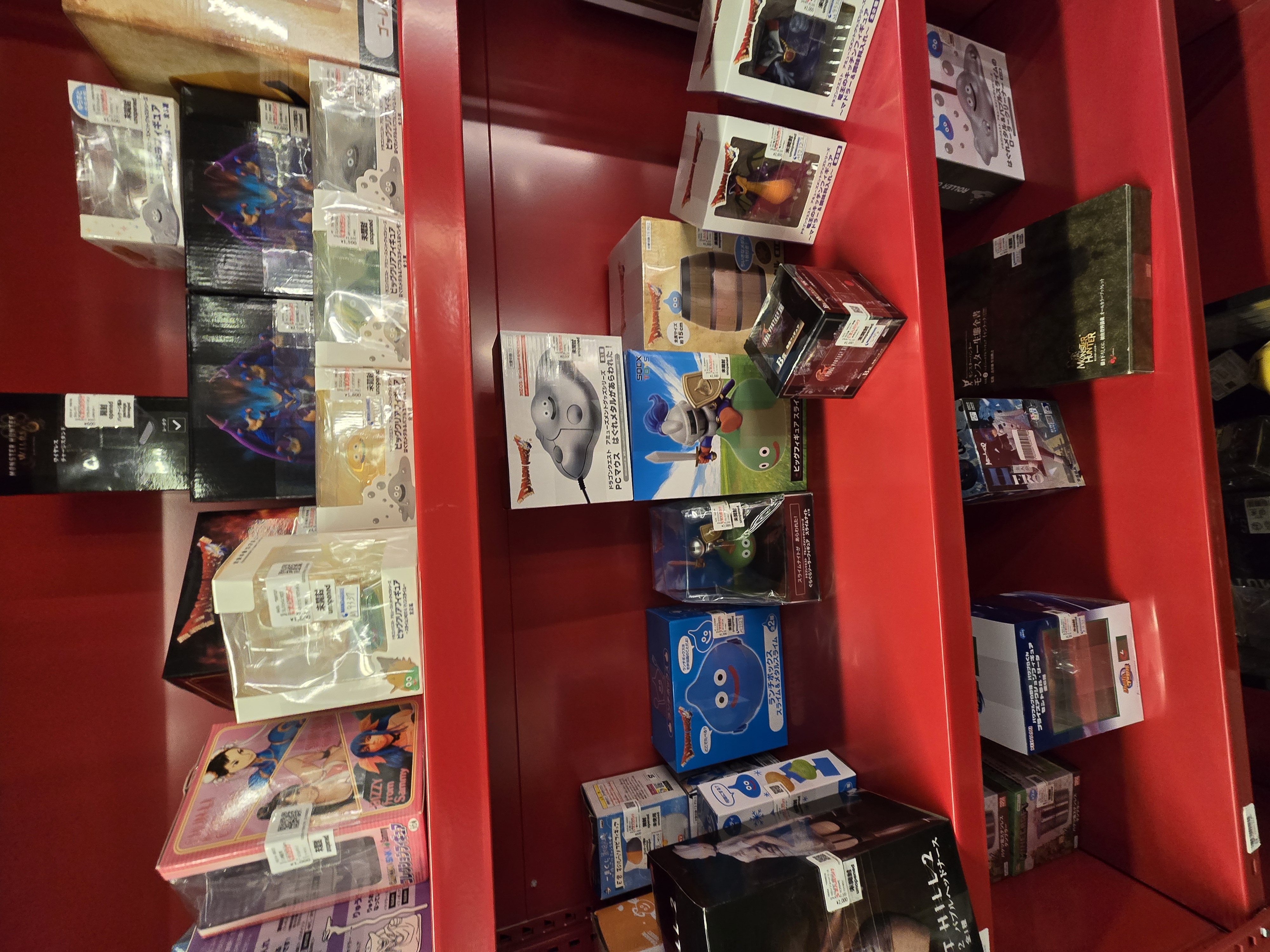
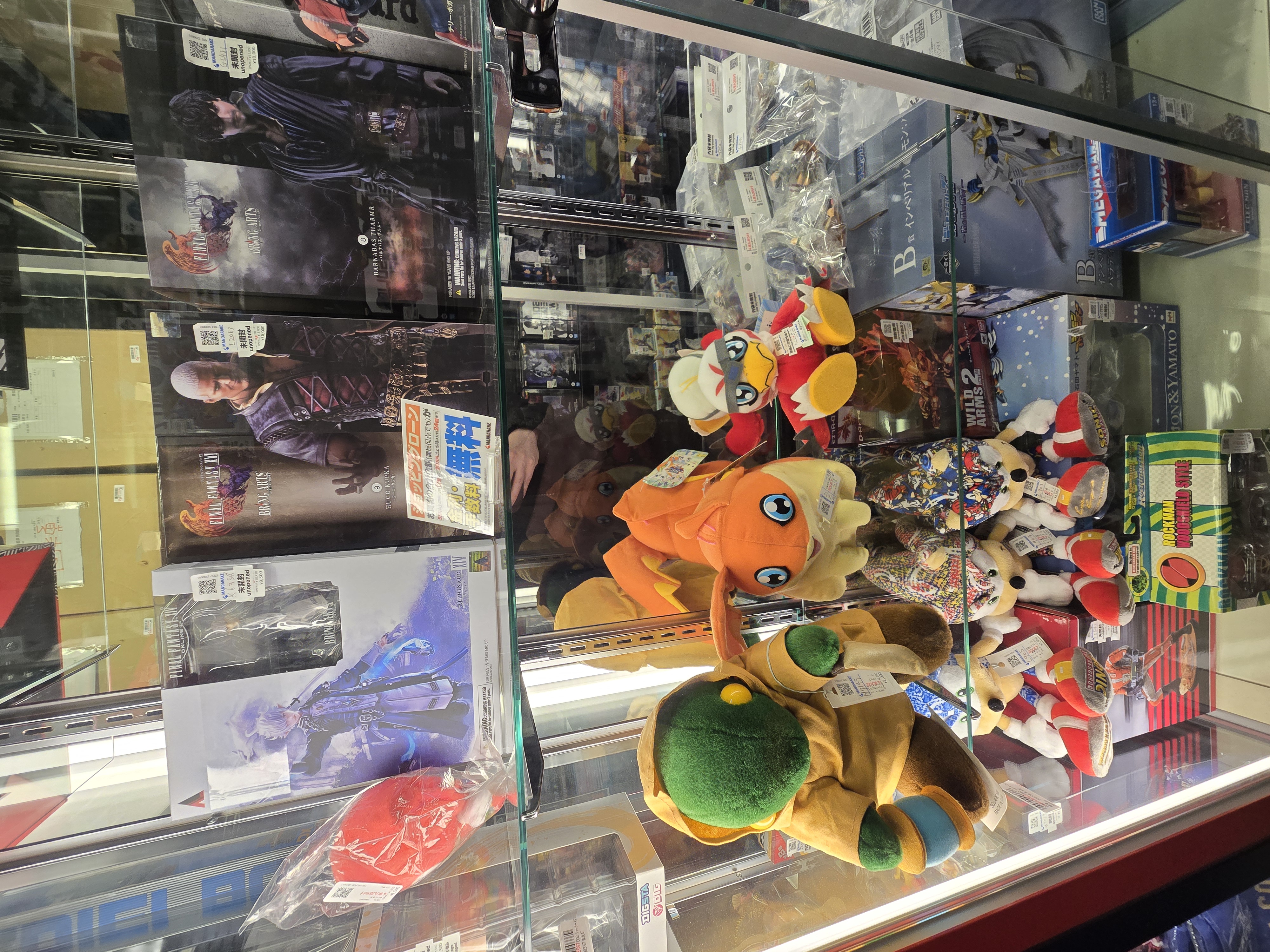
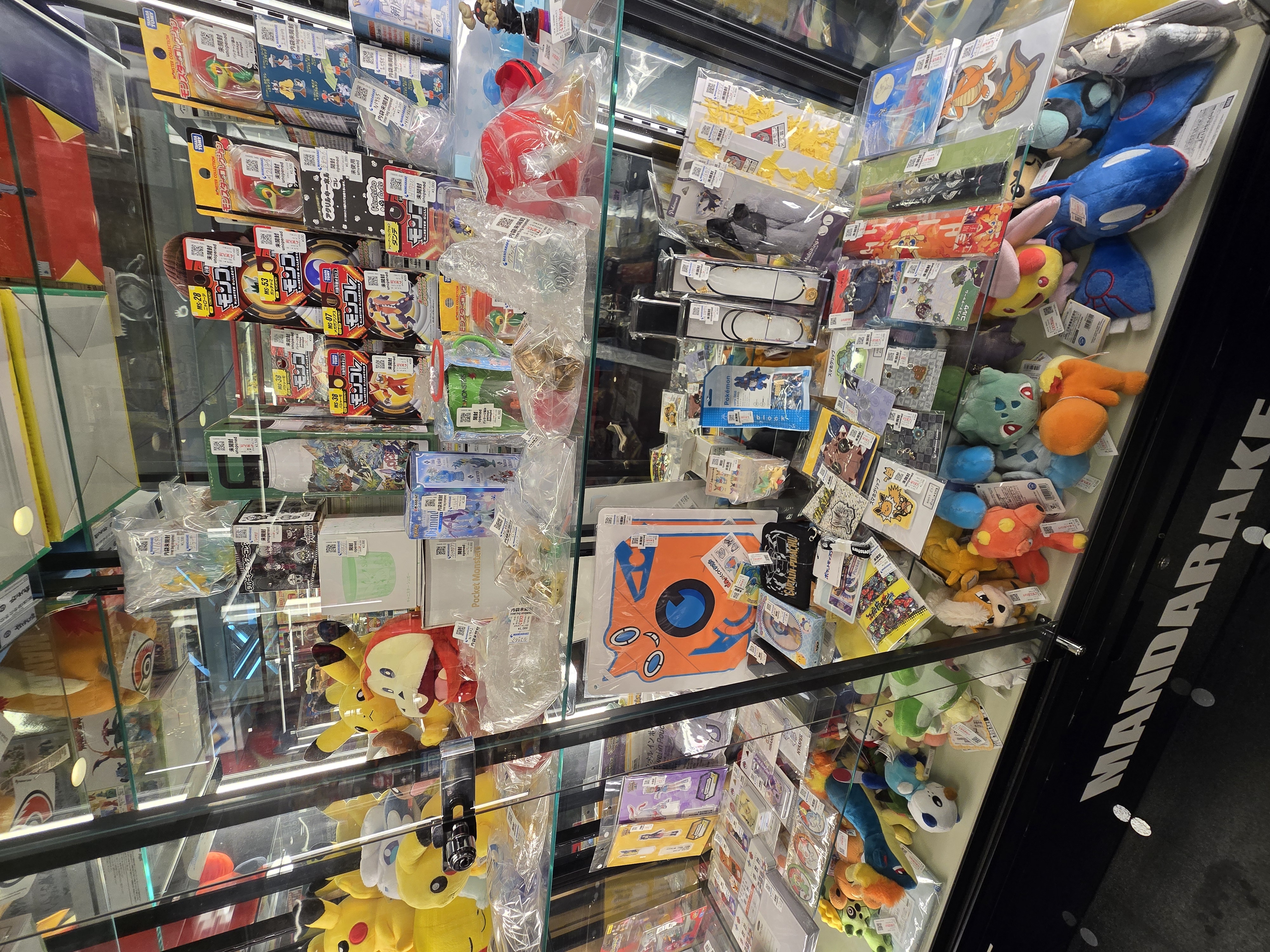
The glass cases have Digimon plushies, Resident Evil figures, older game merchandise. Another case is dense with Pokémon and anime figures — the Mandarake branding is visible on the door. Mandarake operating a corner inside a Mikado branch makes a certain kind of sense. The clientele is the same people.
What It Is
The Ikebukuro Mikado is not the Takadanobaba Mikado. Takadanobaba has institutional weight — you feel the seriousness of what's being preserved there, the Konami music game archive, the Sega hardware that exists nowhere else in this condition. Ikebukuro is more informal, more accumulated, the selection less curated and more mixed. There are things here you won't find at Takadanobaba: the 3rd Strike row is the obvious one, but also Captain Flag, also the specific set of light gun cabinets, also the Mandarake corner.
If you're already in Ikebukuro — which you probably will be at some point, since it's one of the major hubs — Rumble Plaza is worth the detour. Walk in, find the 3rd Strike row, put ¥100 in. You don't need to be good at the game. The point is that the hardware exists and it's playable and you're playing it on the original cab, which is something you can't say about most of what was built in the '90s.
Shooting Tokyo and want a guide who knows where the interesting stuff is?
Book a Session in Tokyo →