
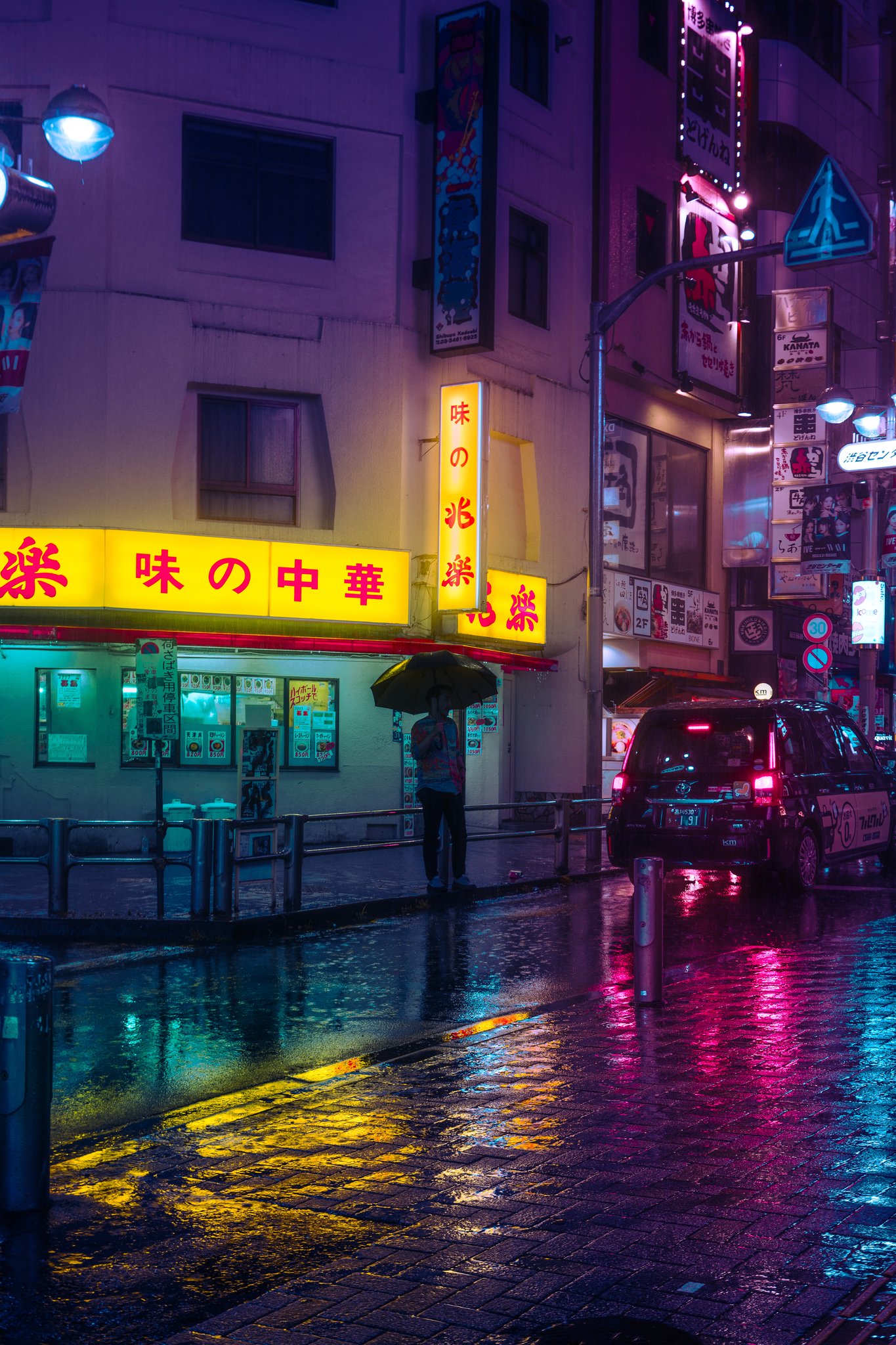
Four years of TOKYOLUV as an independent, one-person photography business in Tokyo, and the thing nobody tells you starting out is that the photography is maybe a third of the actual job. The rest is scheduling, editing, replying to messages, managing bookings, keeping a website running, posting consistently across five platforms, and handling the parts of running a business that have nothing to do with a camera. I underestimated all of that badly in year one.
What Took Longer Than Expected
The photography got good faster than the business did. I could shoot a technically solid session within the first year — the harder skill was everything around it. Figuring out what to actually charge for a night session, in a market where most people booking have no reference point for what that should cost. Building a consistent visual identity instead of shooting whatever looked interesting that week. Learning that a posting schedule people can rely on matters more than any individual photo, because consistency is what turns someone who liked one photo into someone who follows the account, and eventually into someone who books.
The editing workflow took the longest to lock in. Early on, every photo got a different, improvised treatment depending on my mood that night. It took real time to develop something closer to a signature look — a consistent handling of neon highlights, shadow depth, color balance — so that a stranger scrolling past could recognize a TOKYOLUV photo before reading the caption. That consistency turned out to matter more for the business than for the art.

What Actually Moved the Needle
Booking sessions through Airbnb Experiences ended up being the single biggest unlock — it put the business in front of people already primed to book something, rather than relying entirely on cold discovery through social media. The print shop and merch side, by comparison, has been a slower, steadier build rather than any single breakthrough — the kind of thing that adds up over years, not months.
Automating the social posting was the other real shift. In year one, every single post across Instagram, X, Threads, and Facebook was manual, which meant consistency depended entirely on whether I felt like sitting down and doing it that day. Building out scheduled, automated posting freed up the hours that actually matter — shooting, editing, working with clients — instead of burning them on repetitive publishing tasks. The account grew faster once posting stopped being something I had to remember to do.

What I'd Tell Myself Four Years Ago
Charge appropriately from the start — undercharging early trains clients to expect a price that doesn't scale, and it's harder to raise rates later than to set them right the first time. Build the consistent visual identity sooner instead of treating every shoot as a fresh experiment; the identity is what people actually remember and book because of. And don't wait for the business side to feel as interesting as the photography — it never quite does, but it's the half of the job that determines whether there's still a business in year five.
Four years in, the thing I didn't expect is how much I still enjoy the shooting itself, even once it became a job with invoices and scheduling attached. That part hasn't gotten old. Everything around it just got a lot more organized.
Curious what four years of this looks like in a single frame?
Book a Night Session in Tokyo →